Pōhaku Sculpture Garden.
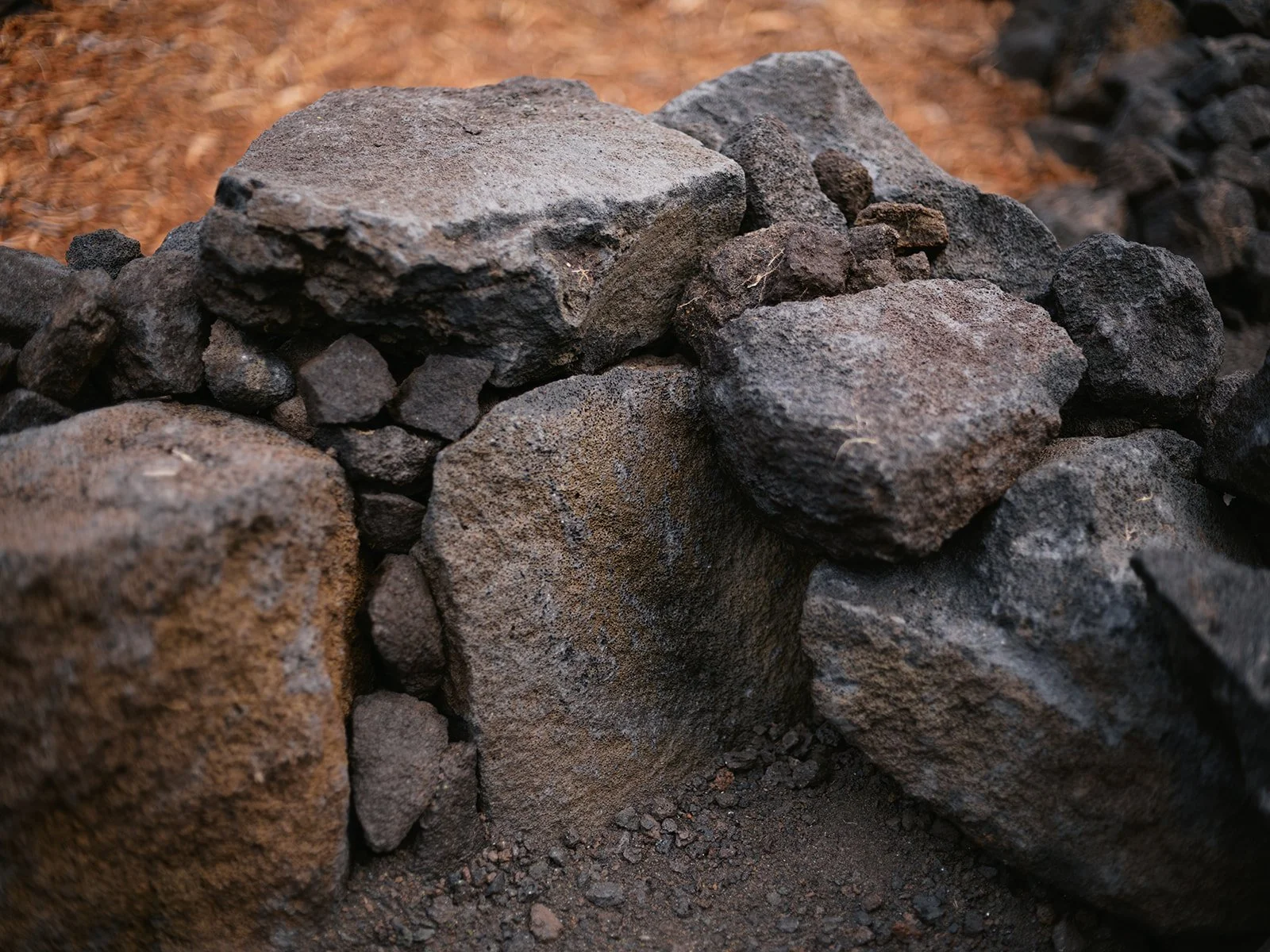
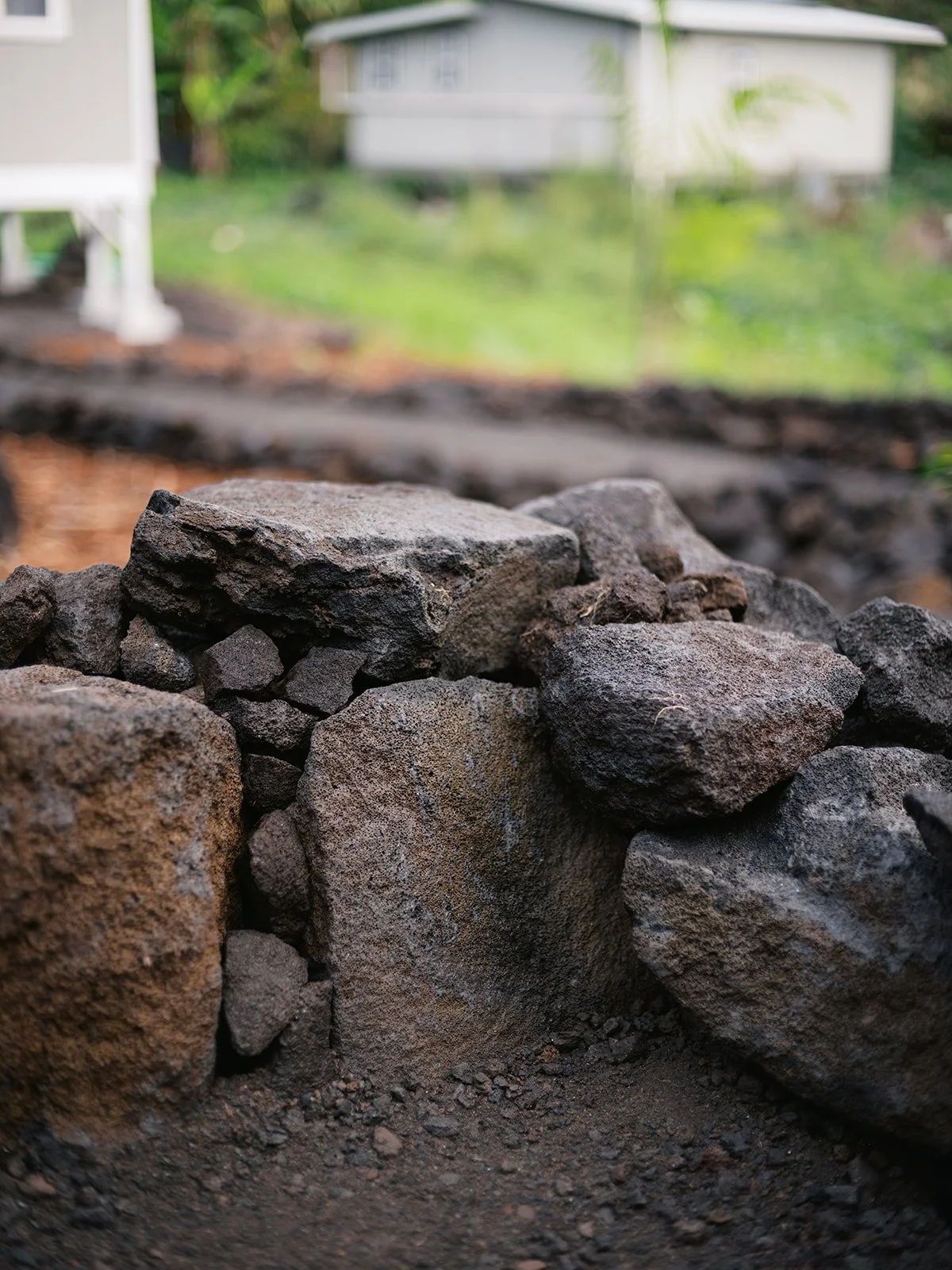
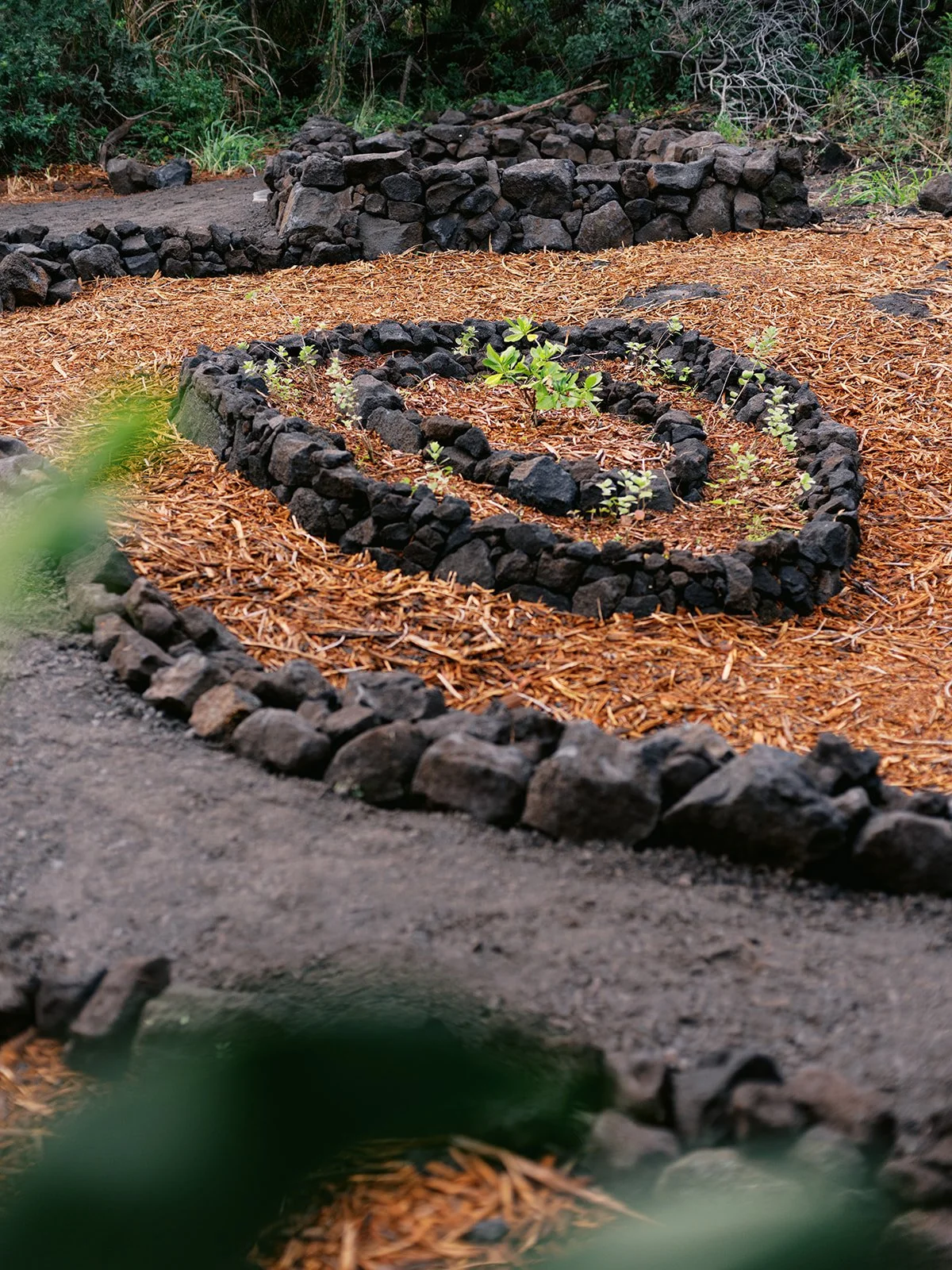
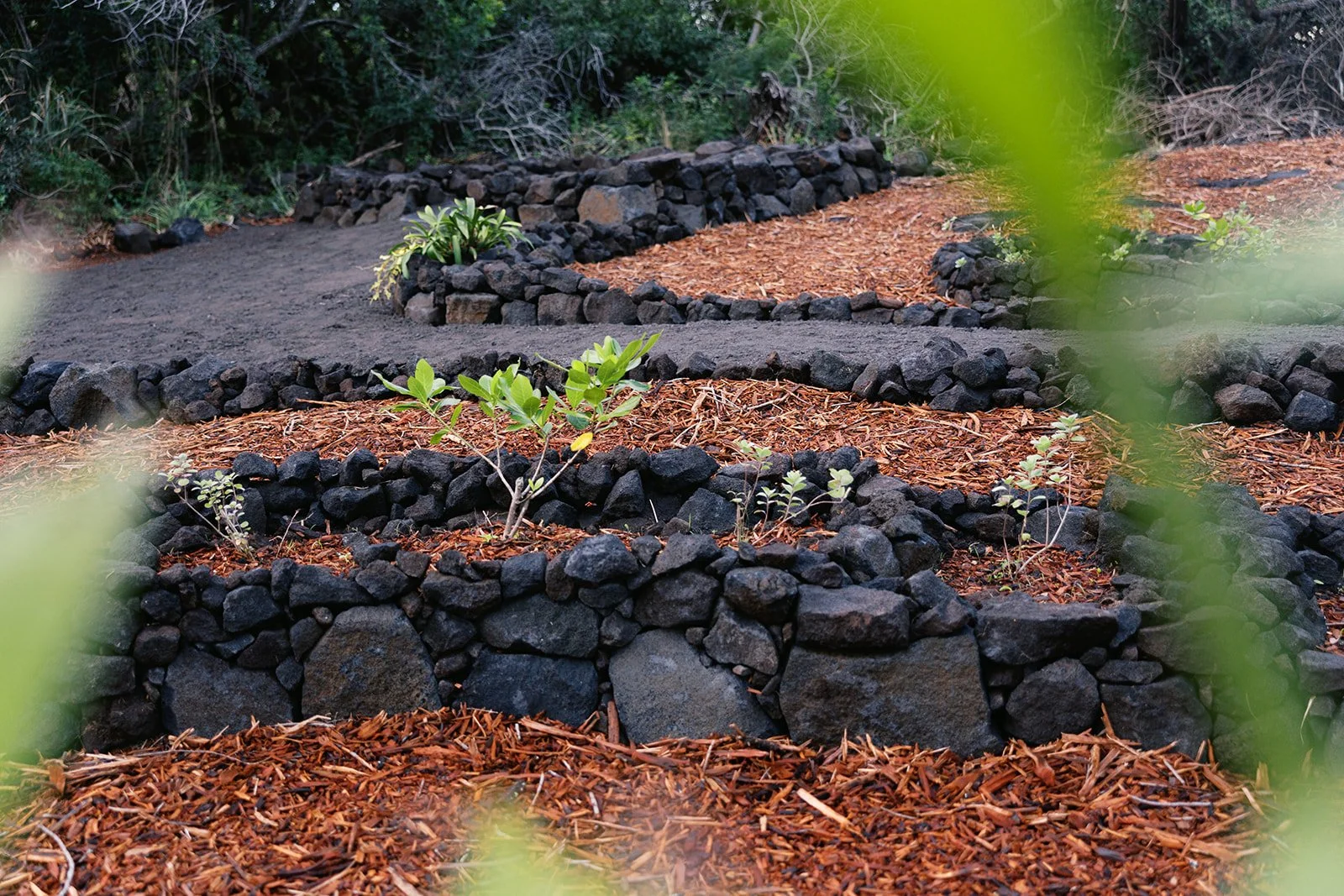
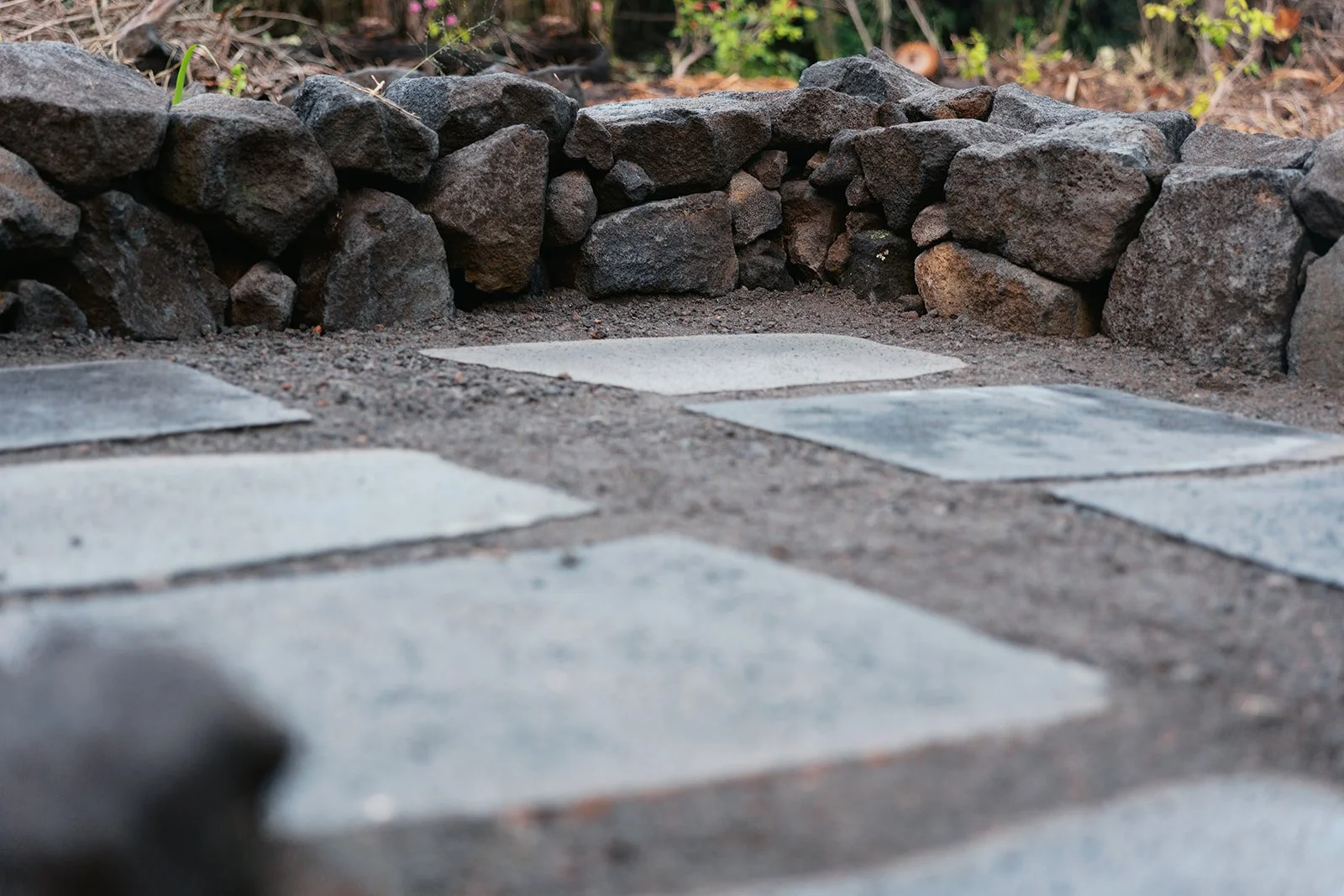
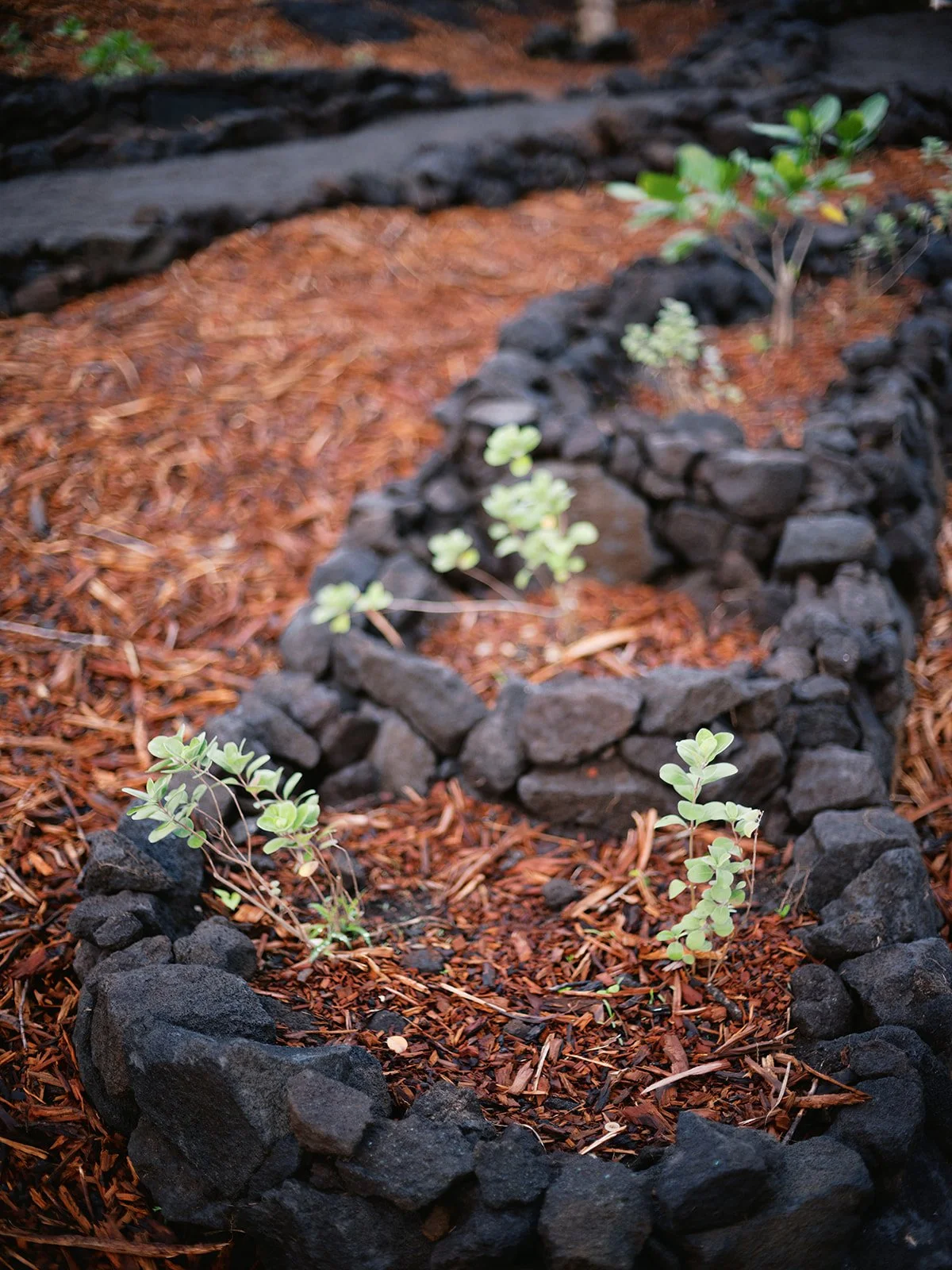
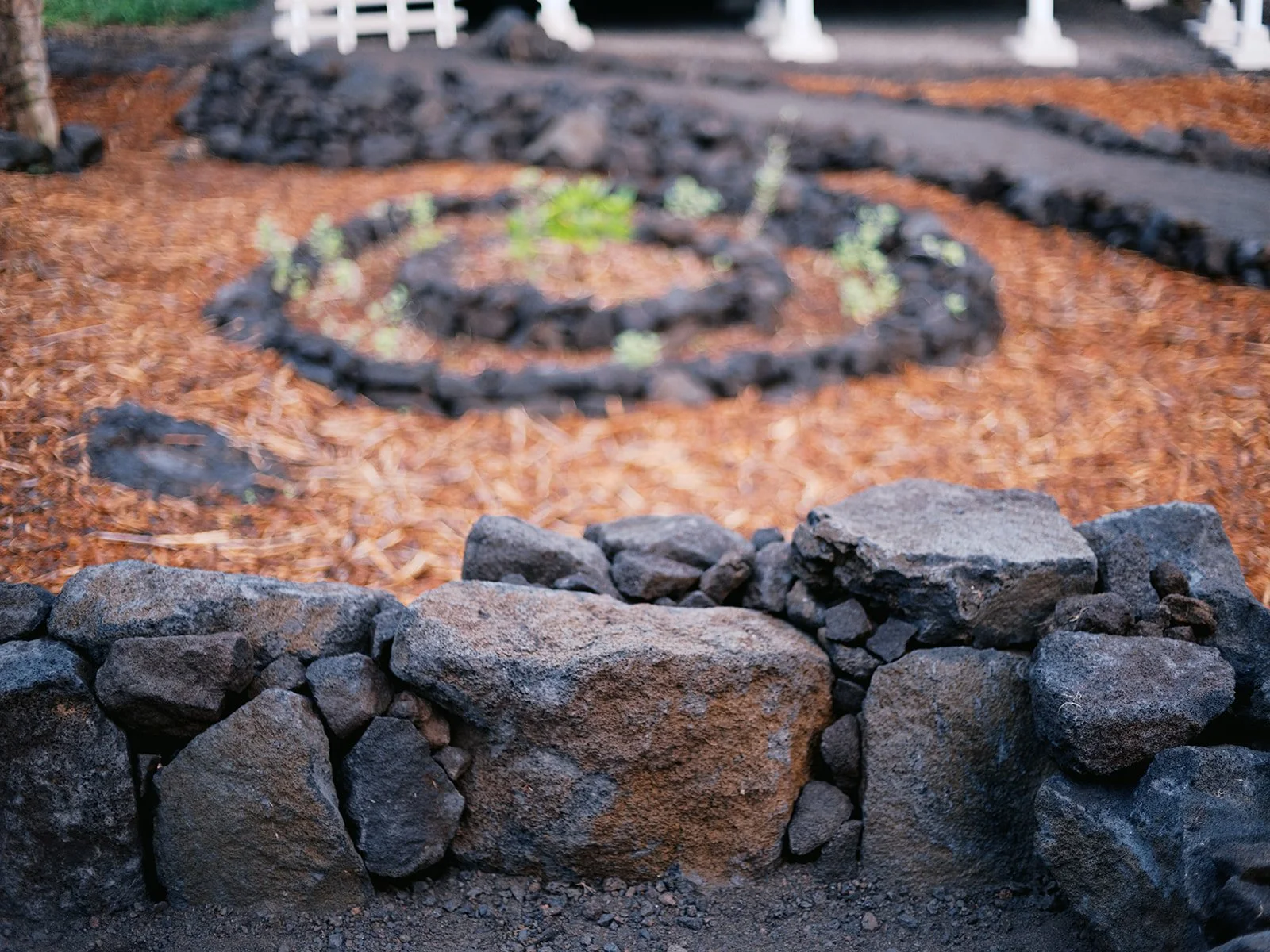
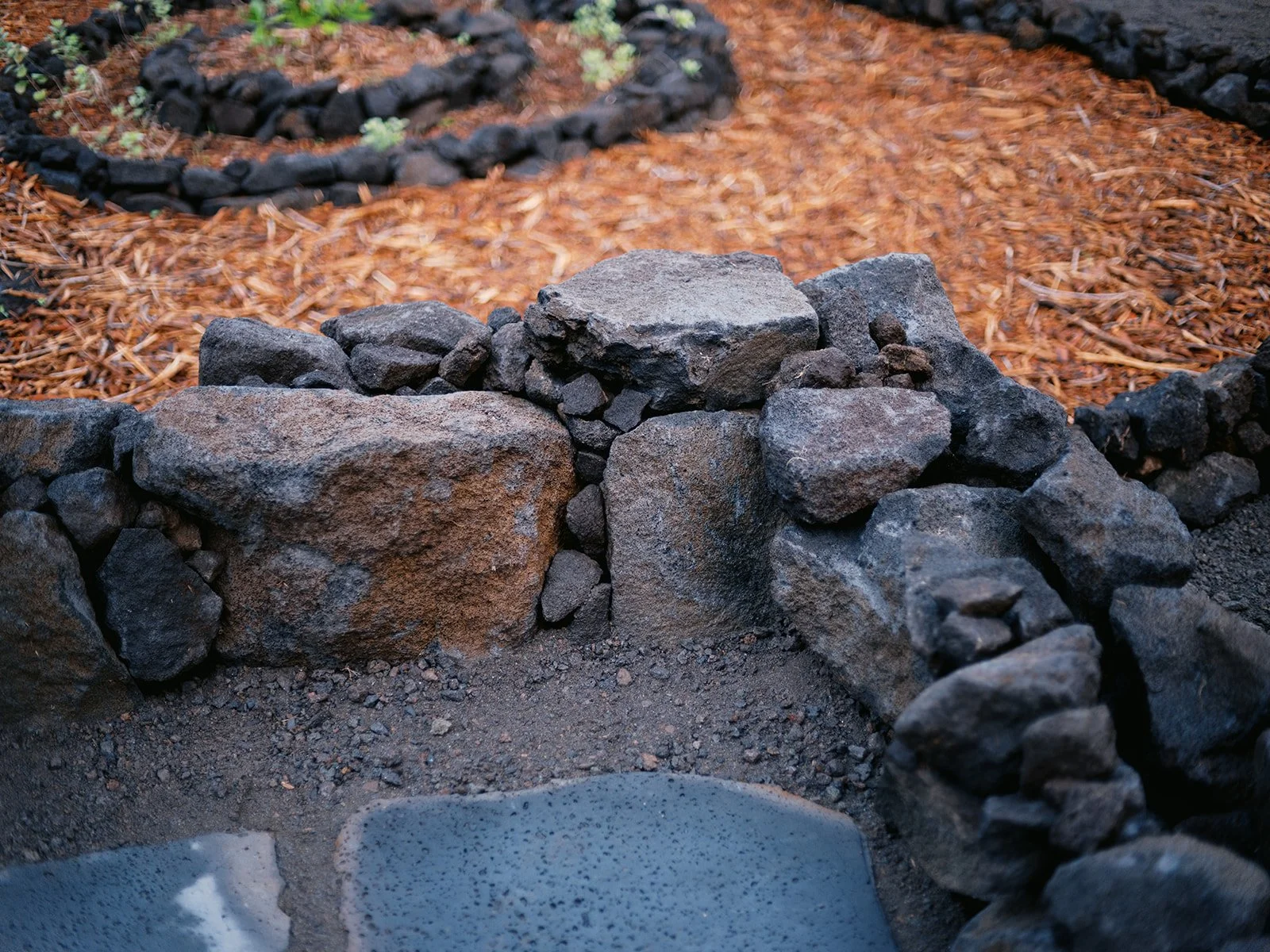
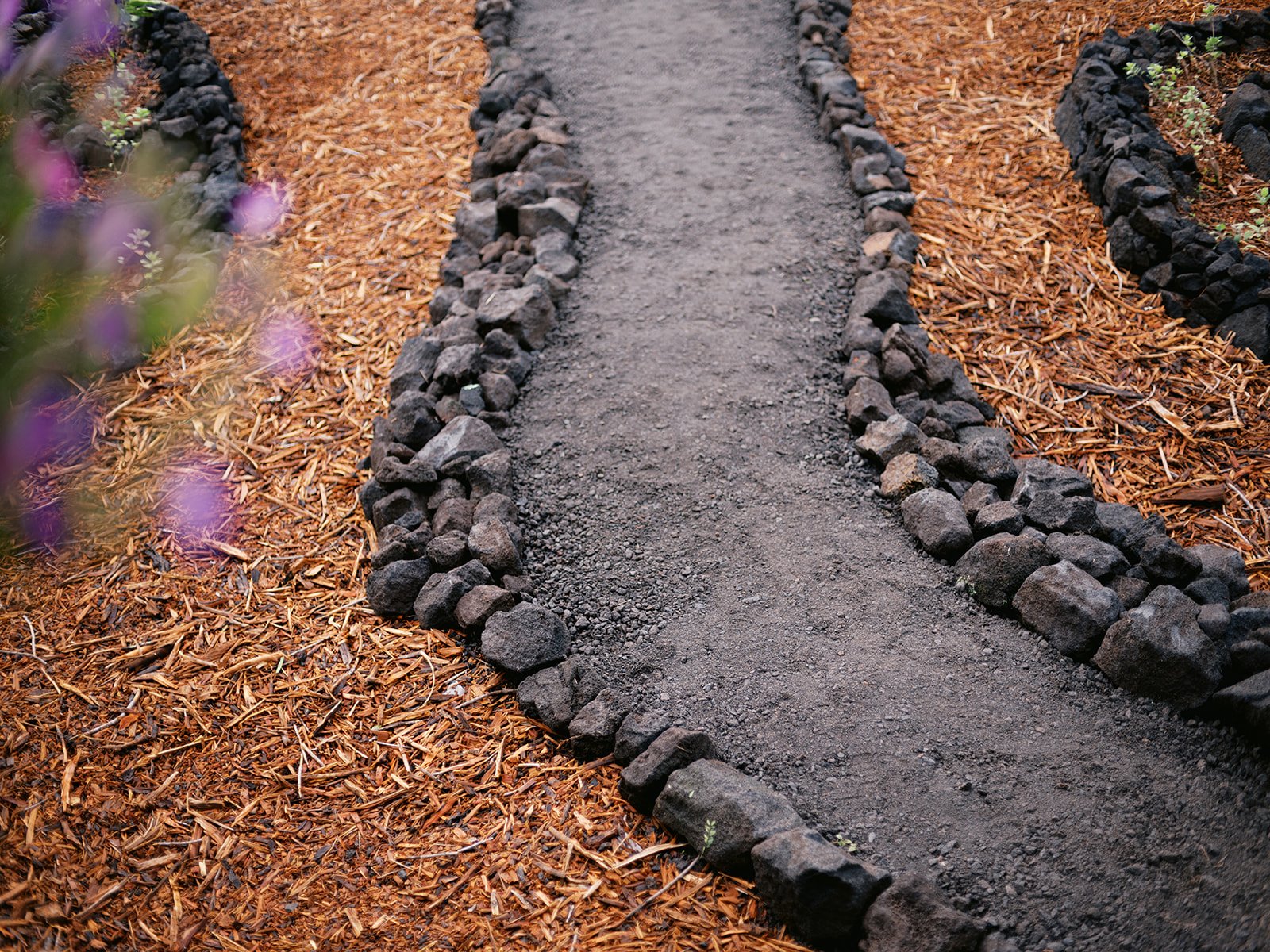
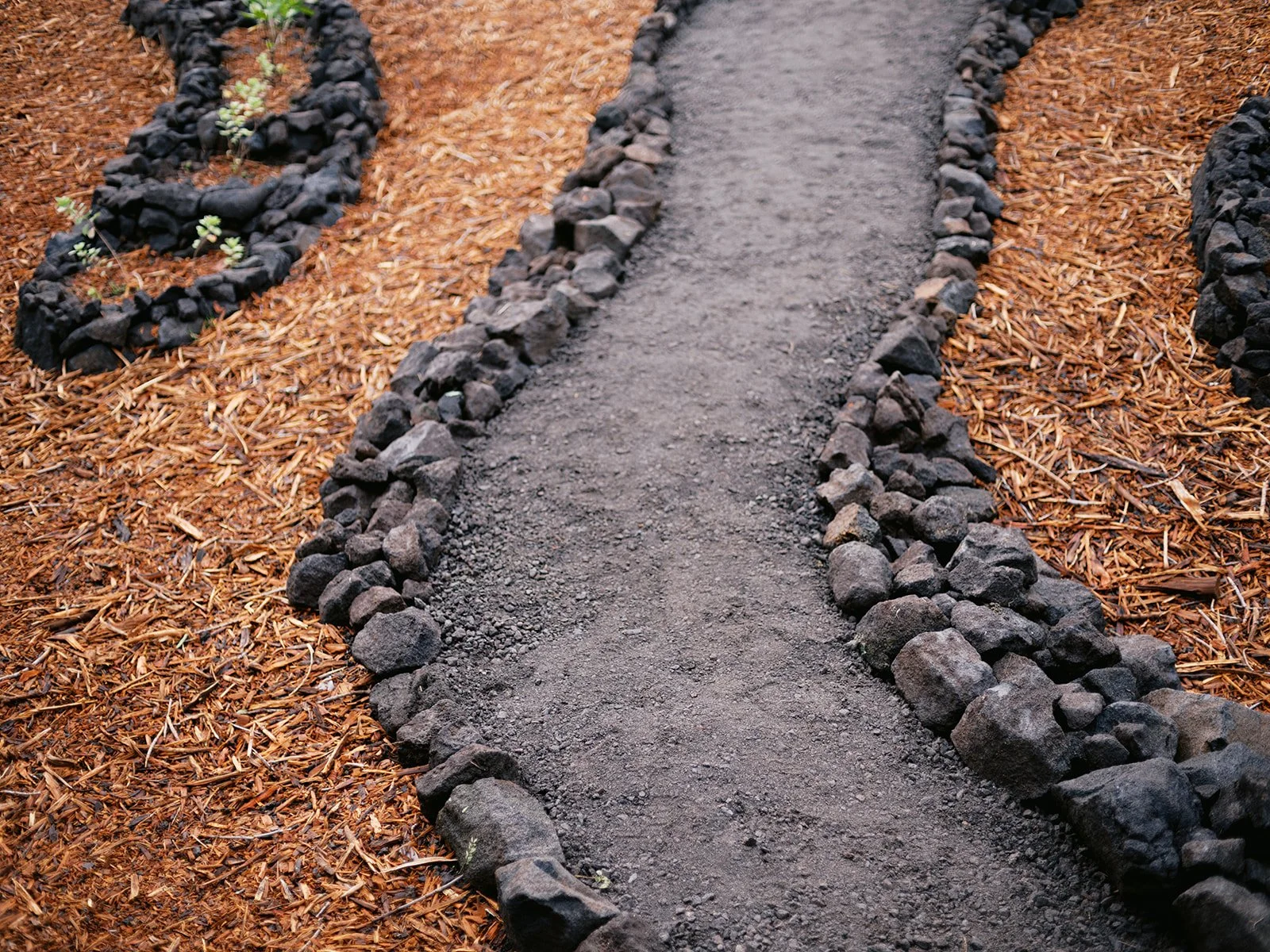
Pōhaku Sculpture Garden explores the expressive potential of Hawaiʻi Island lava rock as both landscape design and sculptural art. Rather than treating stone as a secondary material, the design elevates pōhaku into the defining architectural language of the garden. Monolithic planters, finely crafted dry-stack seating walls, linear stone compositions, and an intimate courtyard establish a sequence of outdoor rooms that invite gathering, reflection, and a tactile connection to the volcanic landscape. The restrained material palette allows the inherent texture, color, and permanence of the stone to become the project's central artistic expression.
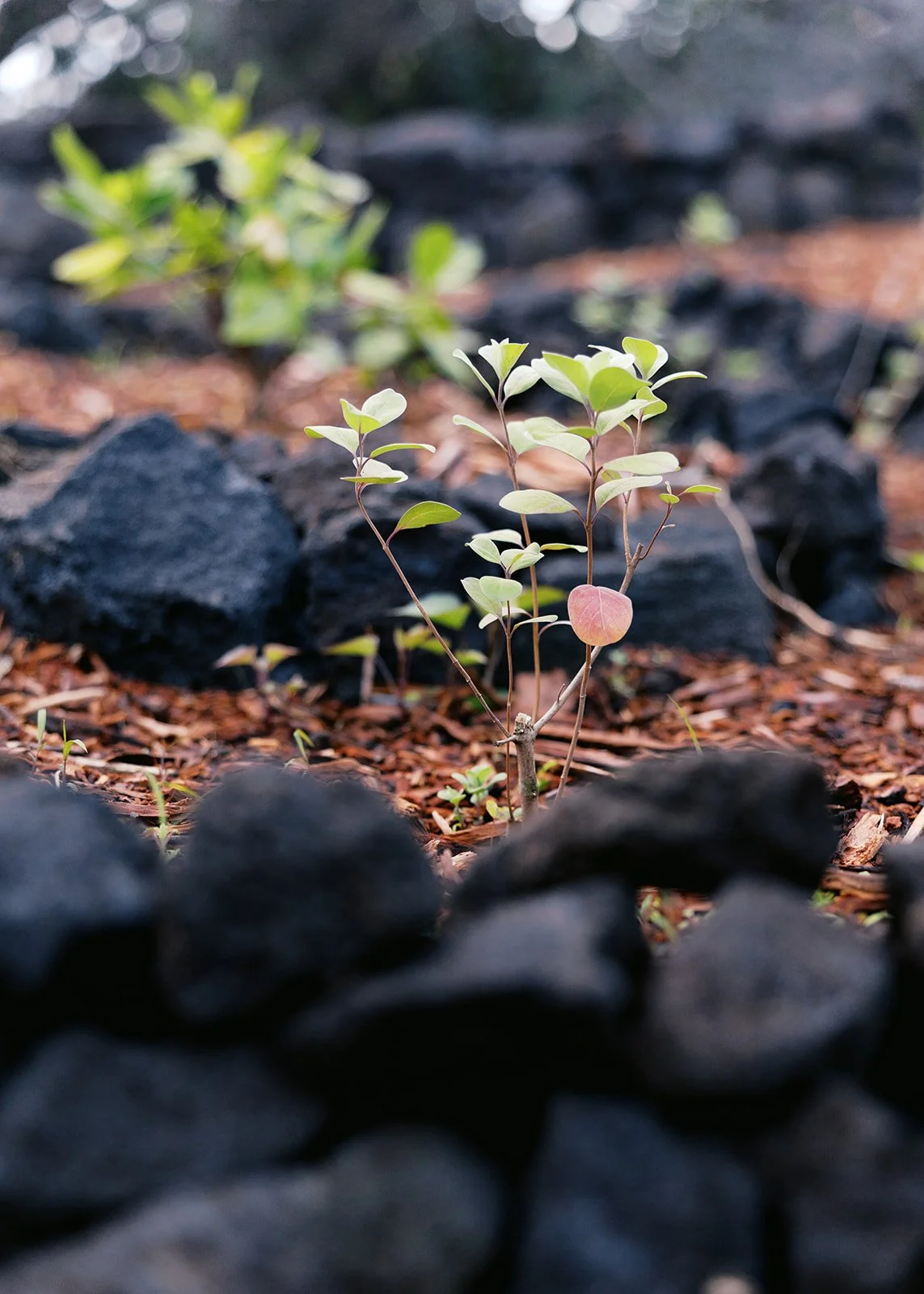
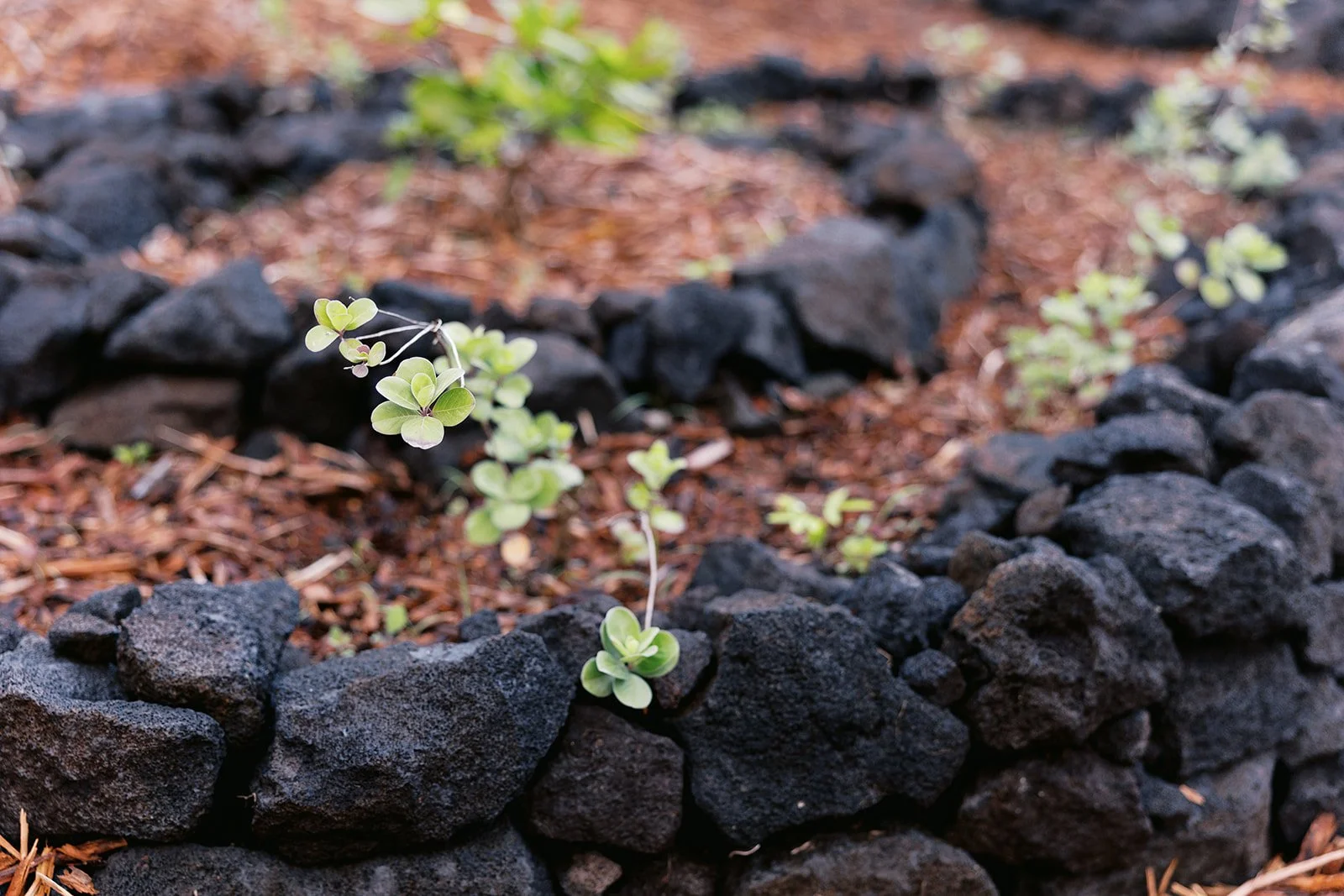
The landscape demonstrates Hawaiʻi Land & Garden Works' commitment to designing in partnership with the land. Volcanic rock uncovered during site development was carefully repurposed into the garden's architectural features, while invasive Christmasberry trees were removed, chipped on site, and returned to the landscape as a rich organic mulch. This process reduced imported materials, minimized construction waste, and transformed the site's existing resources into an integrated composition that authentically reflects the history and geology of the place.
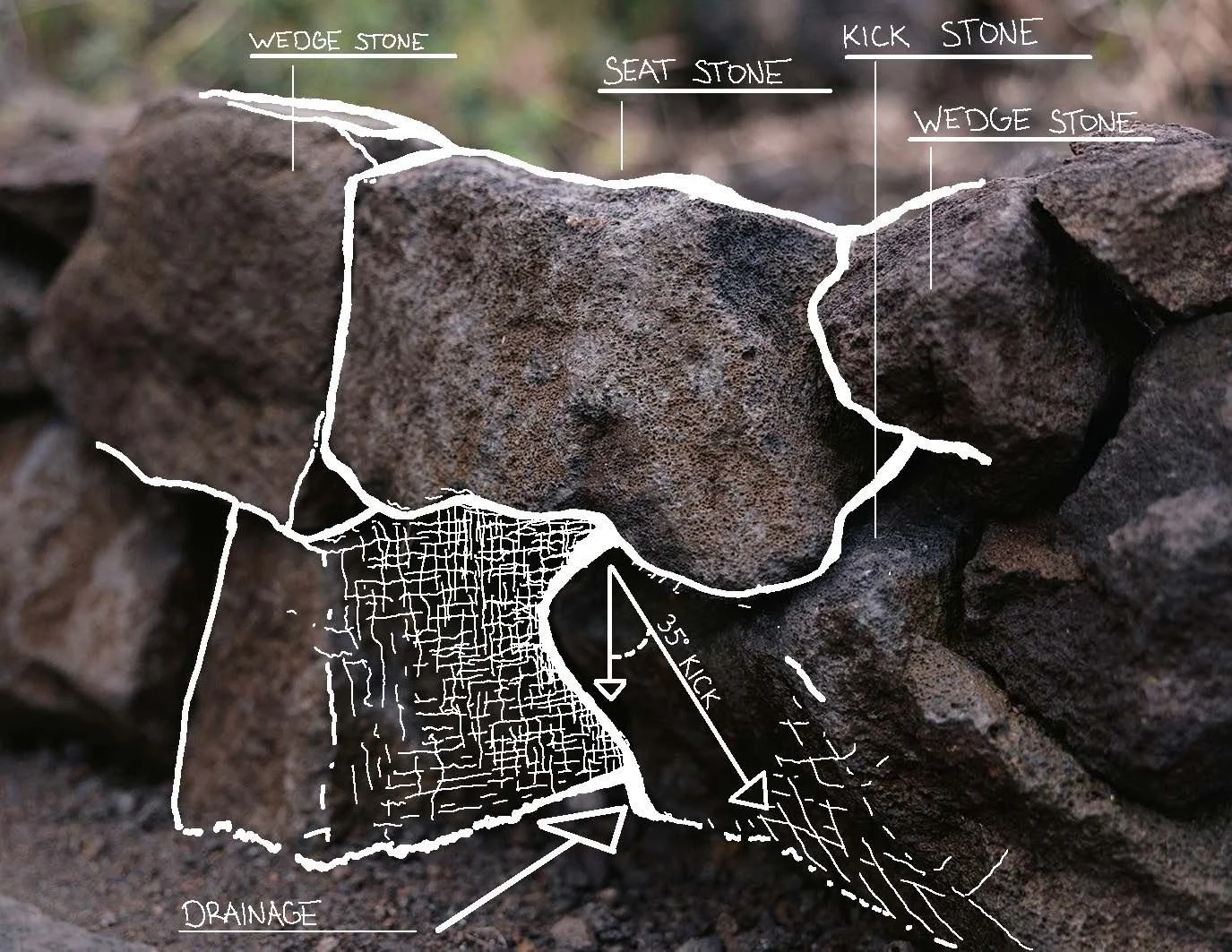
The photographs reveal meticulous craftsmanship in every stone composition. Dry-stack masonry is executed with exceptional precision, allowing each wall to express both structural integrity and sculptural elegance without relying on mortar. The planter forms evoke the monumental silhouettes of Mauna Loa and Mauna Kea, while the courtyard recalls the timeless dry-stack field walls that have long traversed Hawaiʻi Island. Throughout the project, contemporary landscape design is informed by traditional Hawaiian stone-building practices, creating spaces that feel simultaneously modern, timeless, and deeply connected to place.
More than a collection of garden features, the project demonstrates Hawaiʻi Land & Garden Works' philosophy that landscape design should emerge from the character of the land itself. By combining ecological stewardship, traditional craftsmanship, and sculptural design, the garden transforms native volcanic stone into an enduring work of landscape art that celebrates the unique geology and cultural heritage of Hawaiʻi Island.