Rockworks of the Land
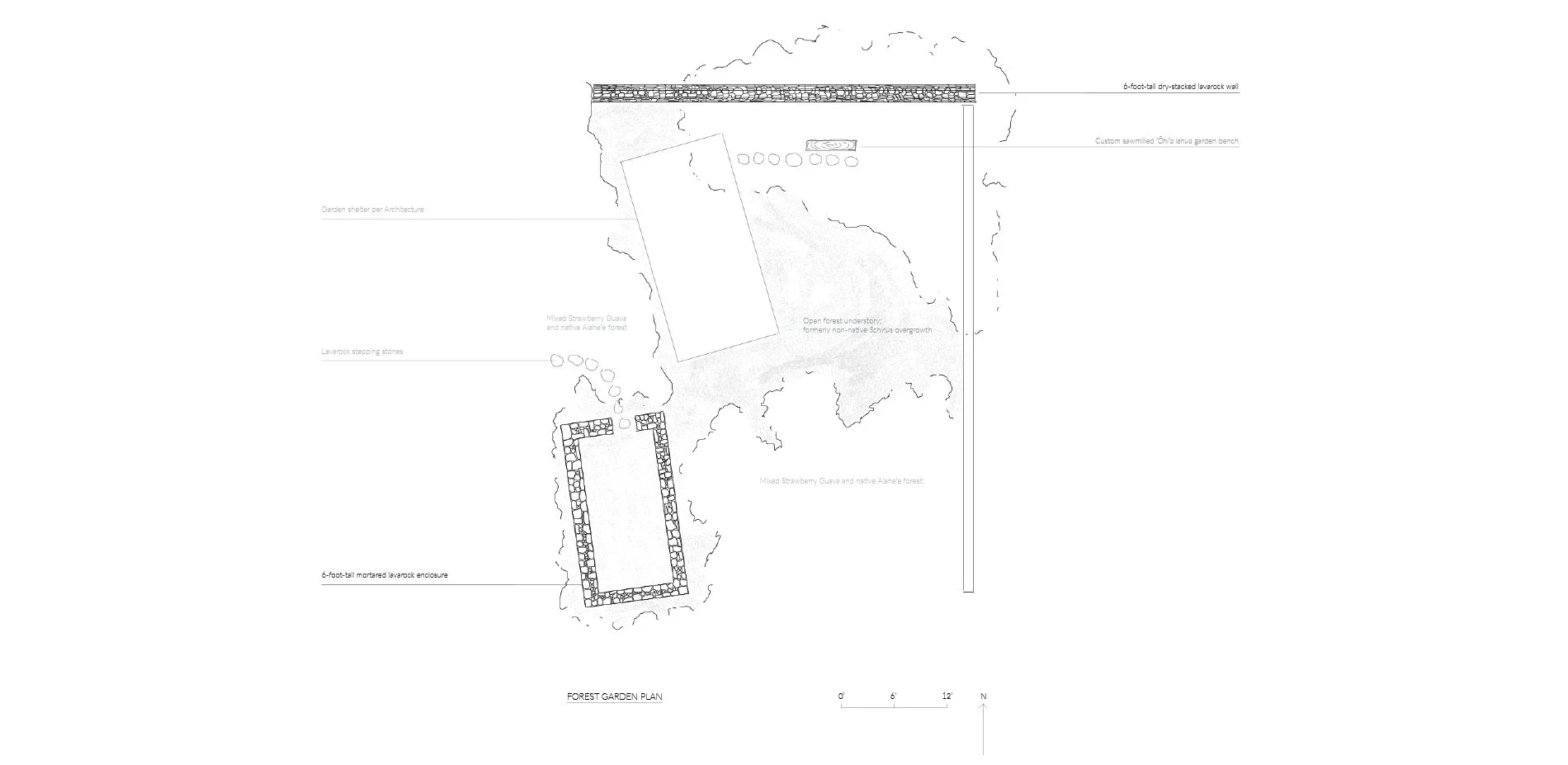
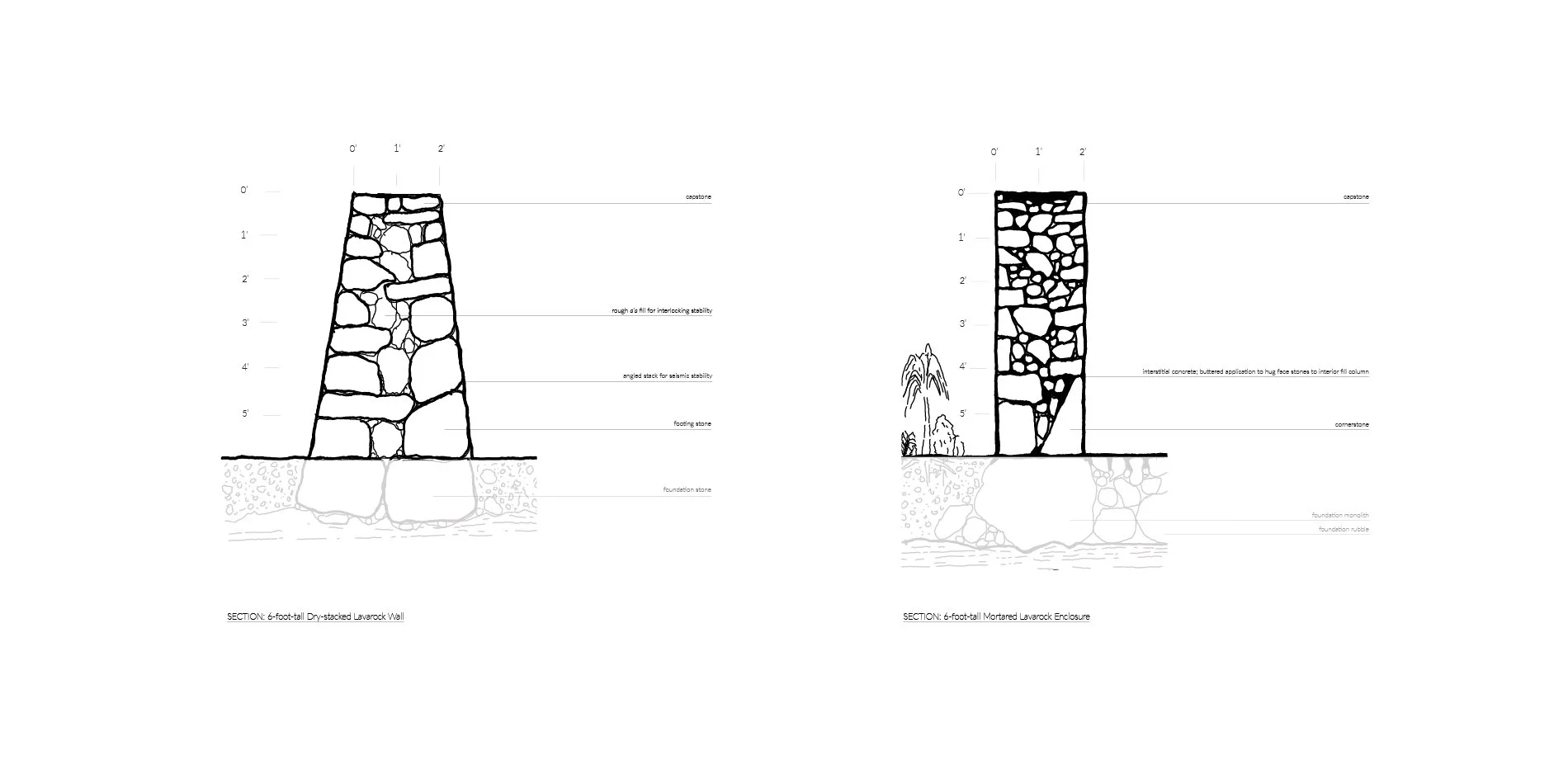
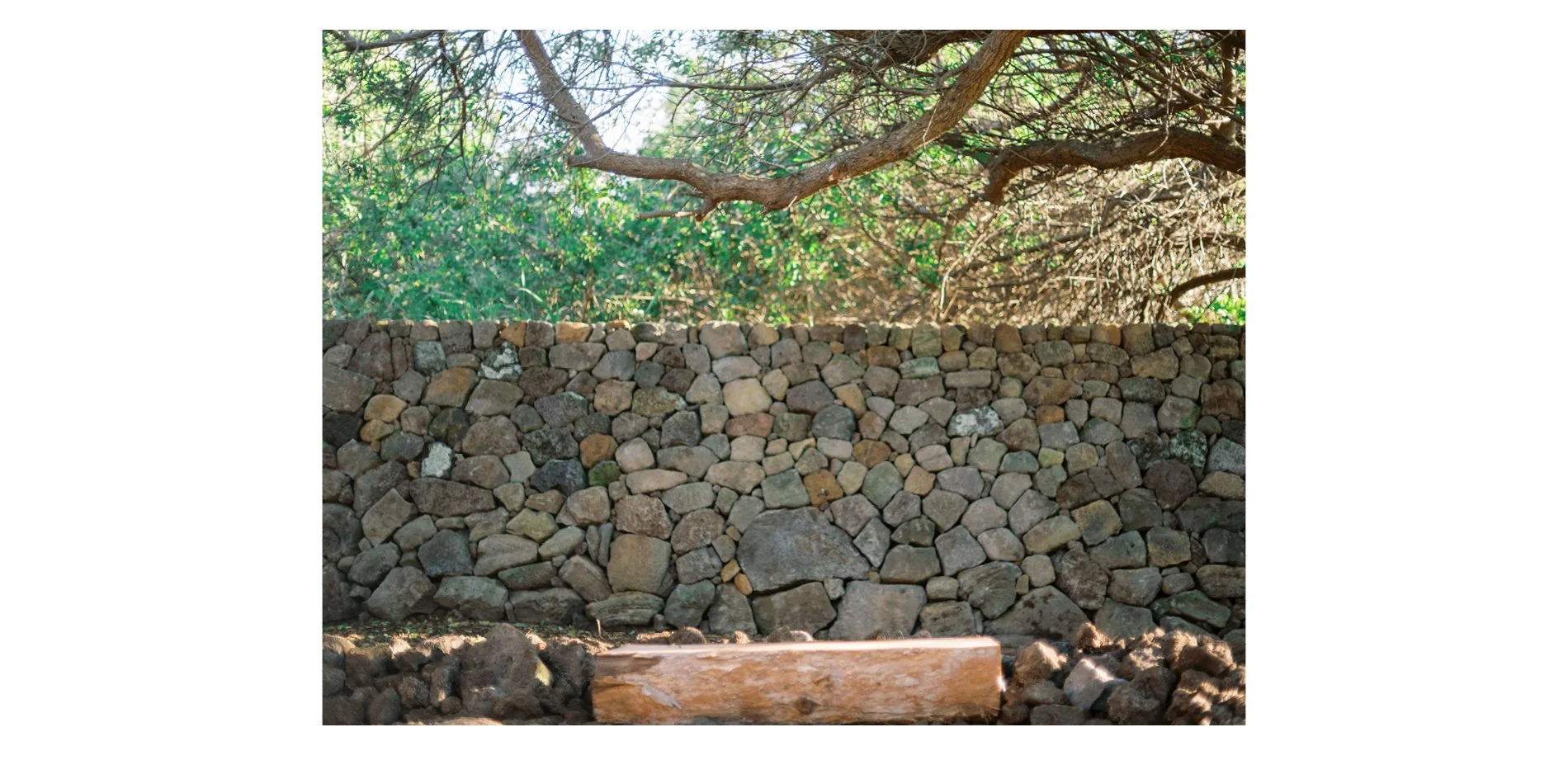
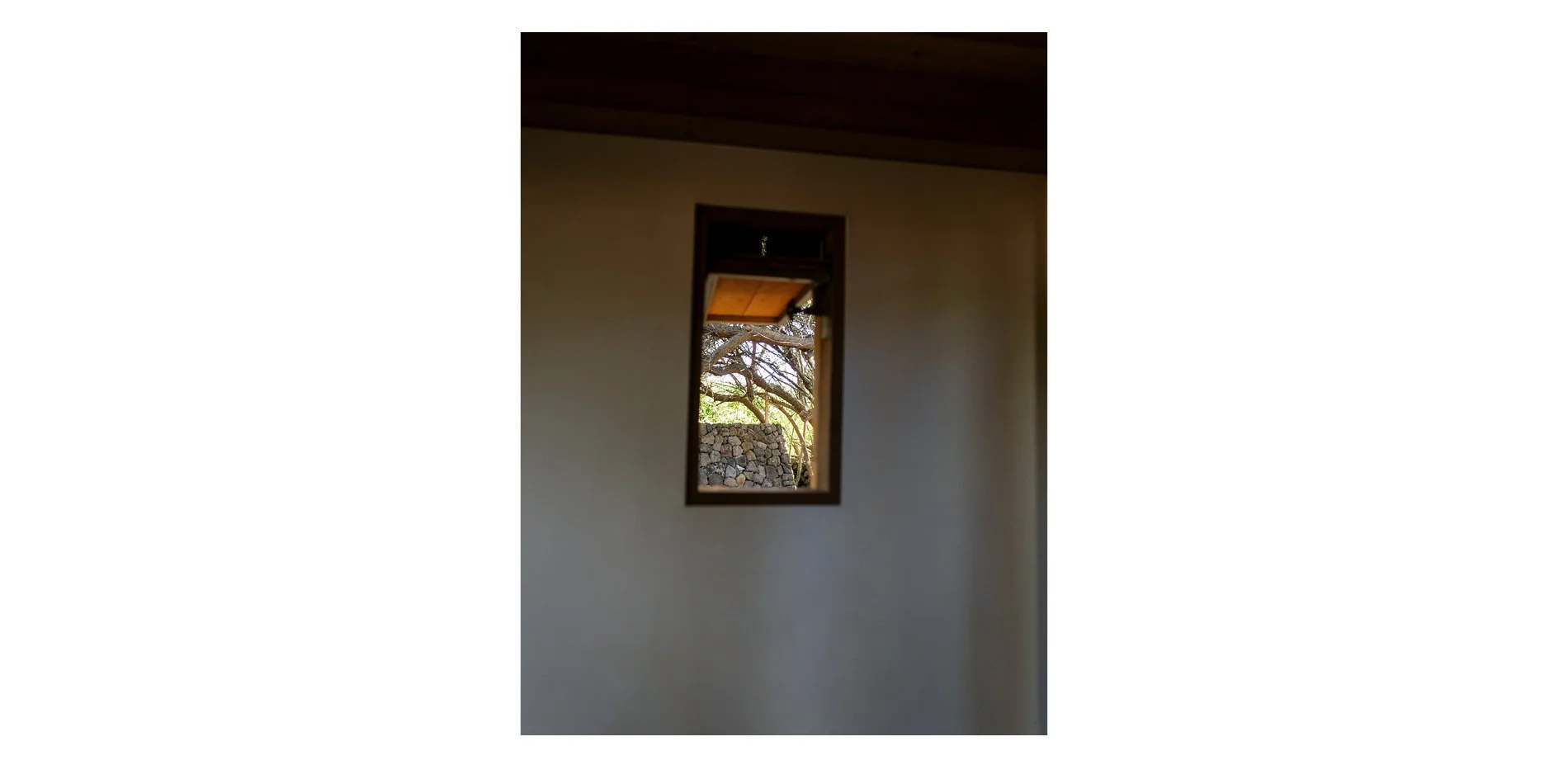
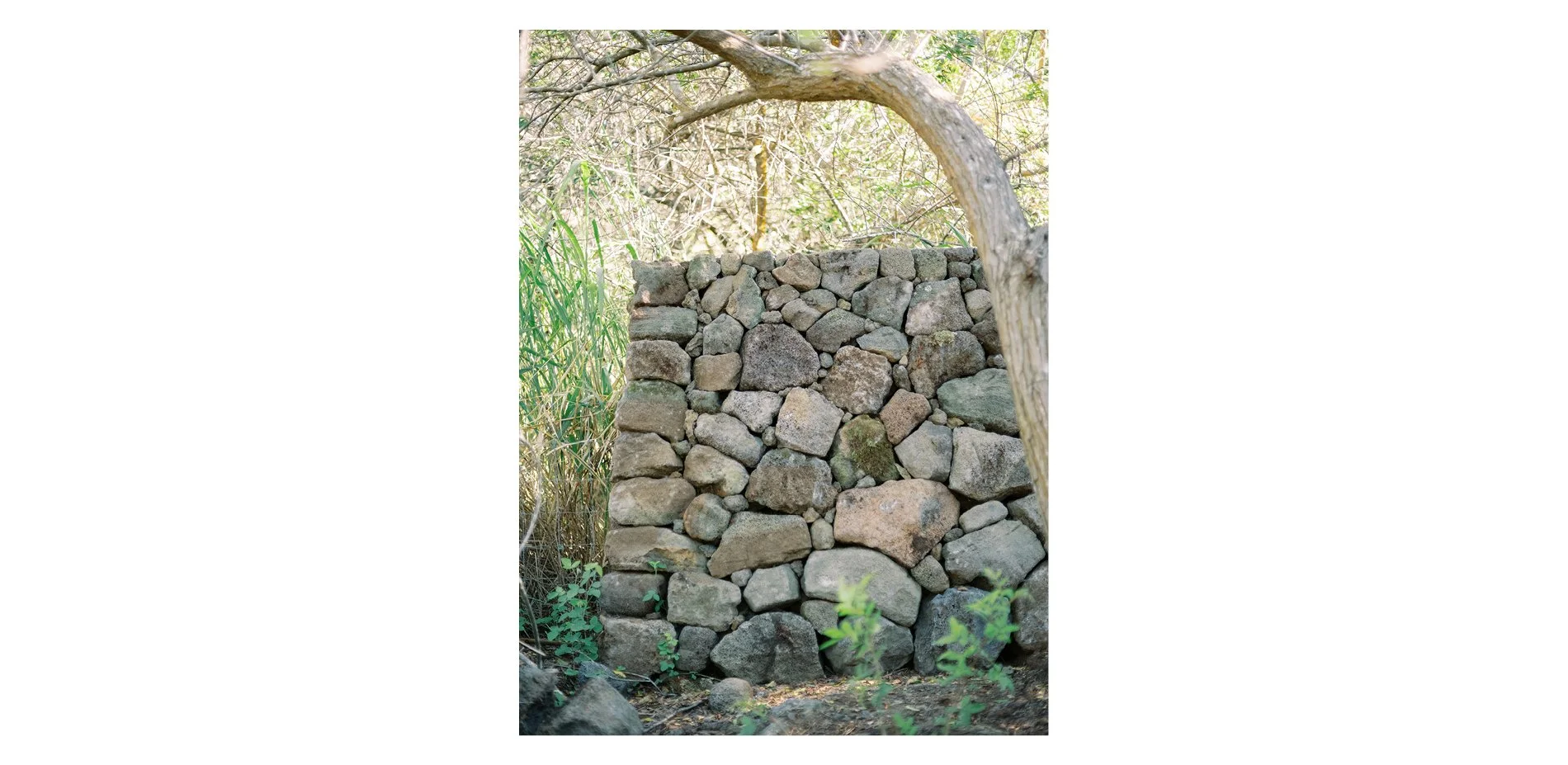
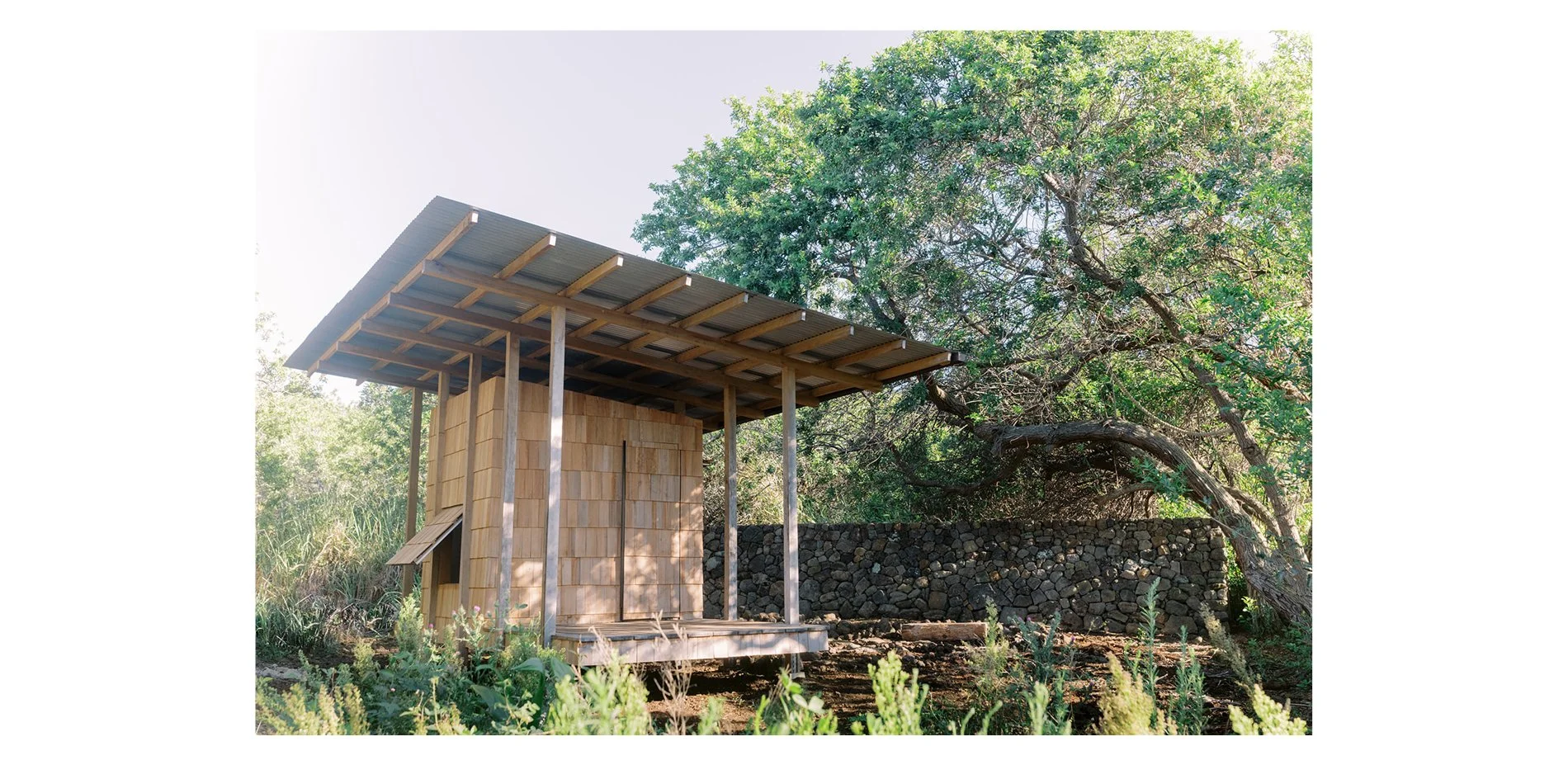
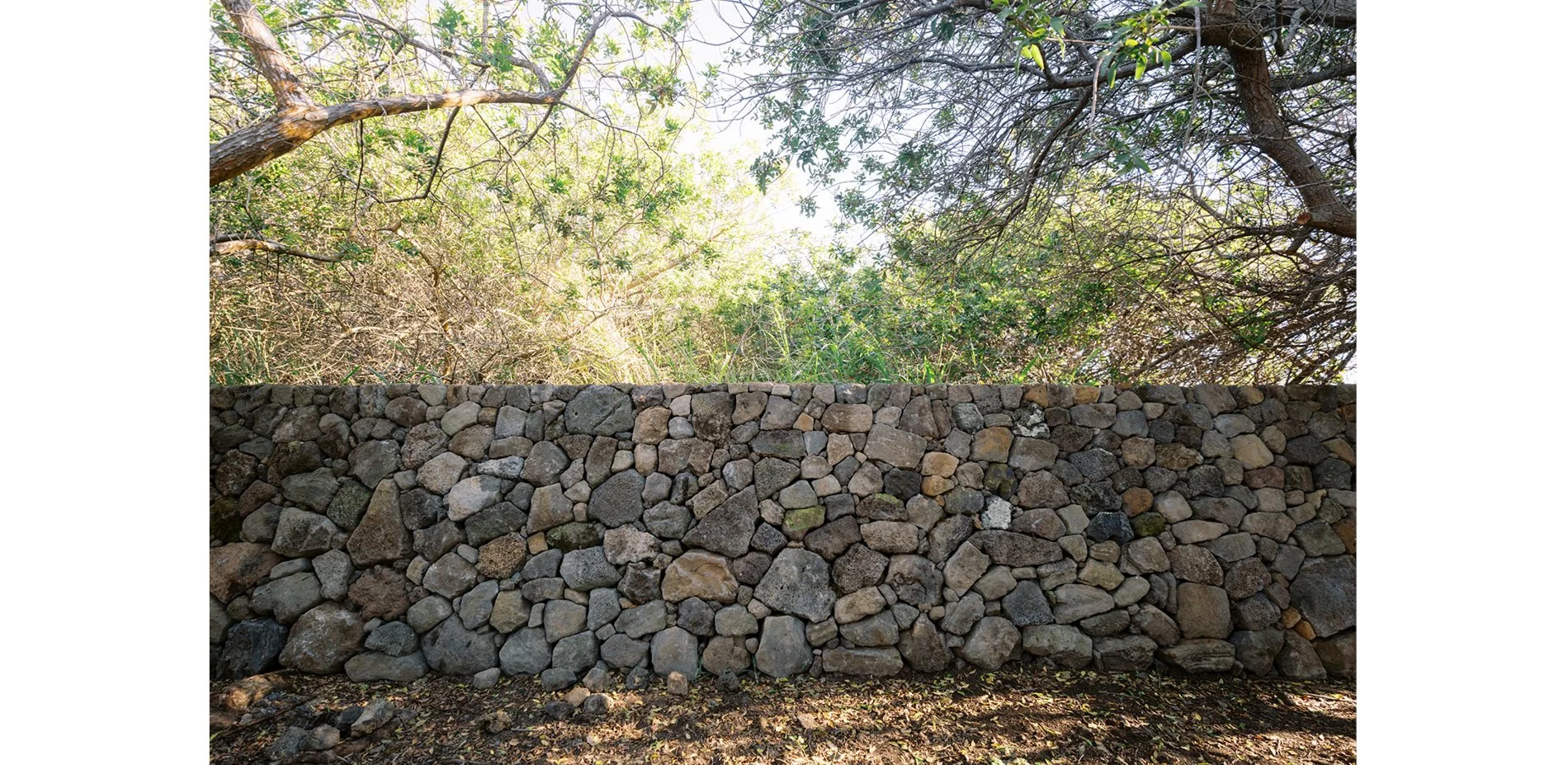
Rockworks of the Land explores the relationship between landscape design, traditional Hawaiian stone masonry, and ecological stewardship through two complementary lava rock structures set within a private forest farm near Nāʻālehu on Hawaiʻi Island. A six-foot dry-stack stone wall and a mortared lava rock enclosure define a contemplative garden space, demonstrating two distinct masonry traditions that have shaped the island's cultural landscape for generations. More than landscape features, these structures frame views, create refuge, and express a design philosophy rooted in permanence, craftsmanship, and a profound respect for place.
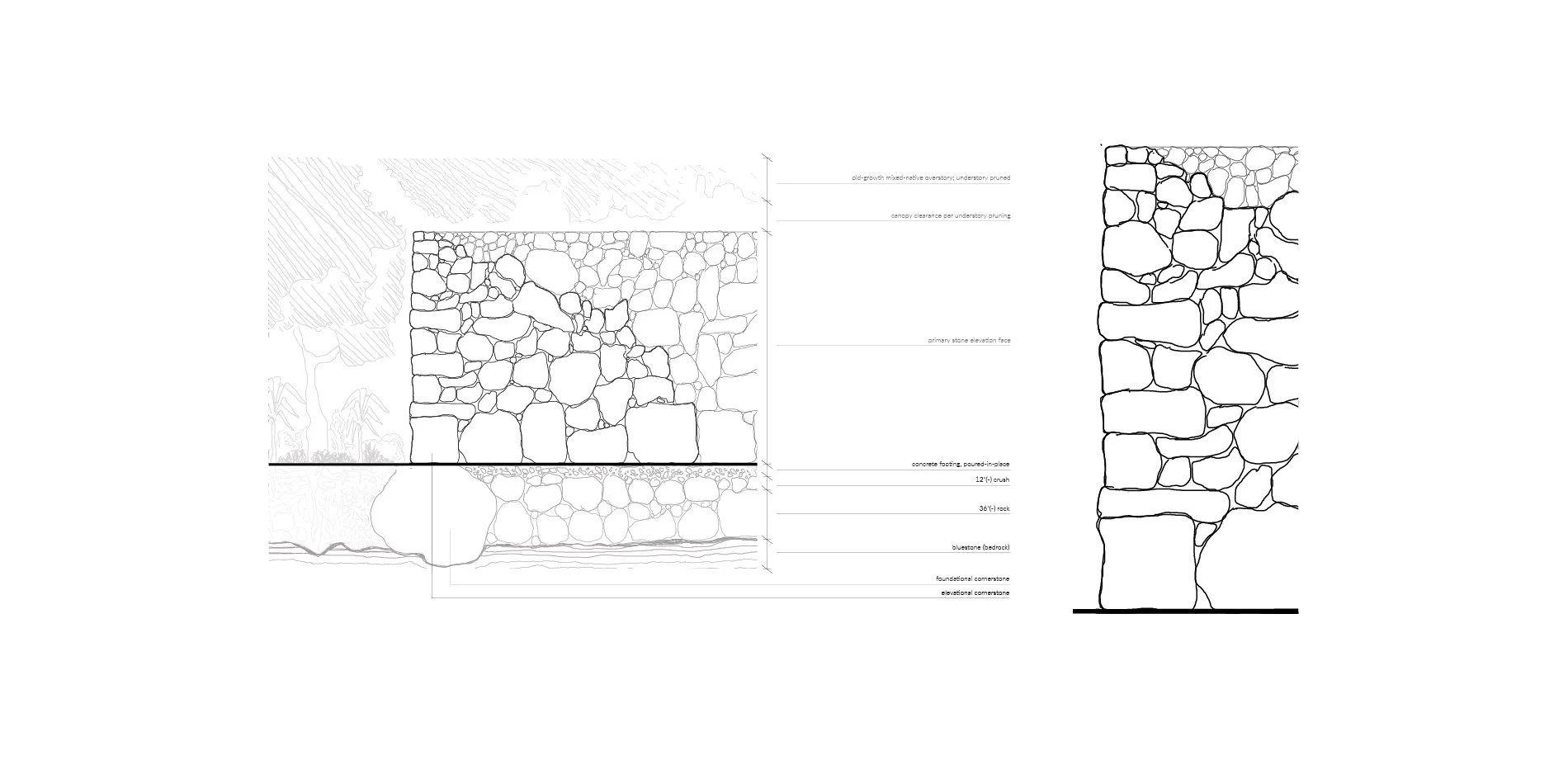
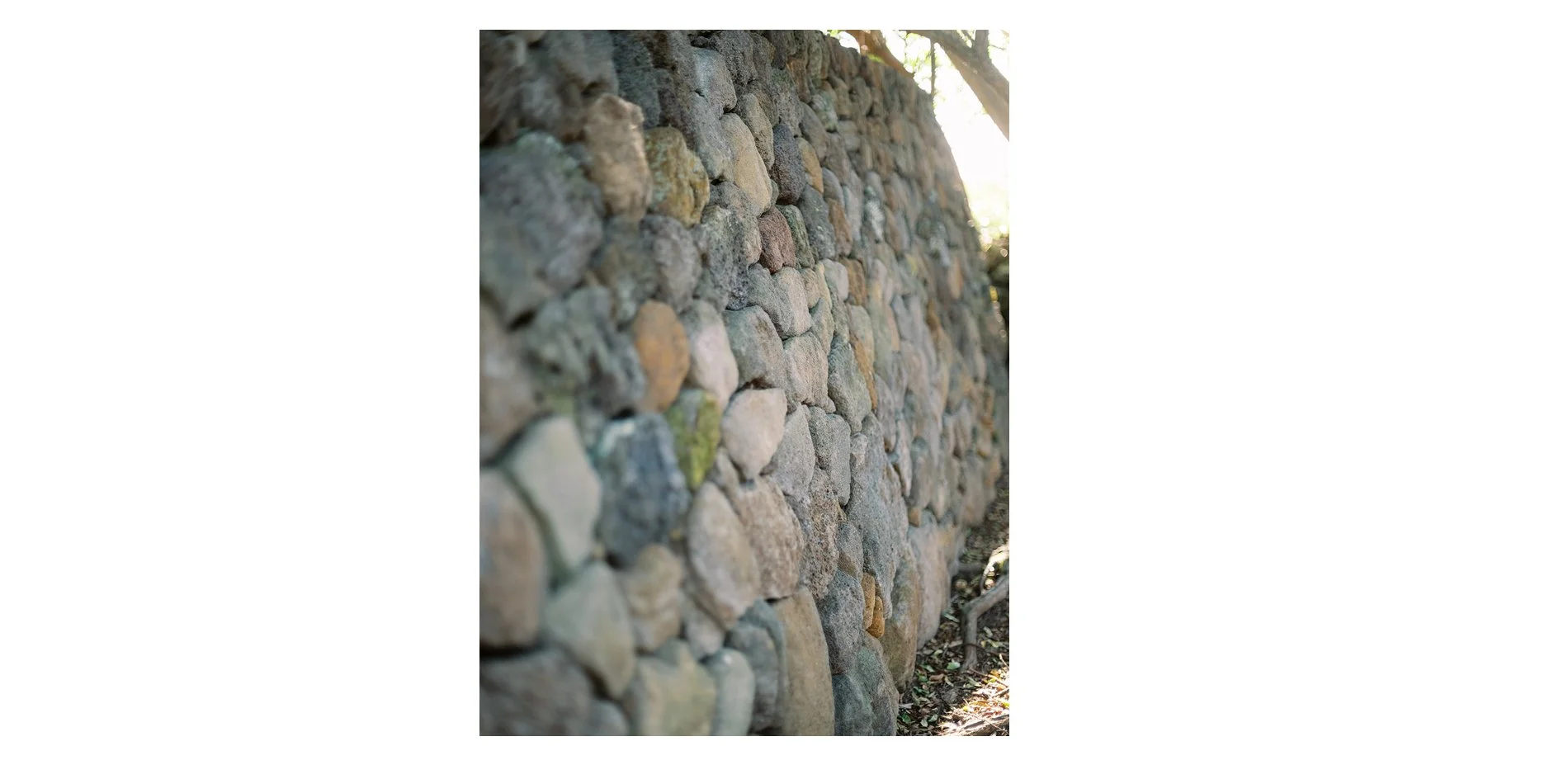
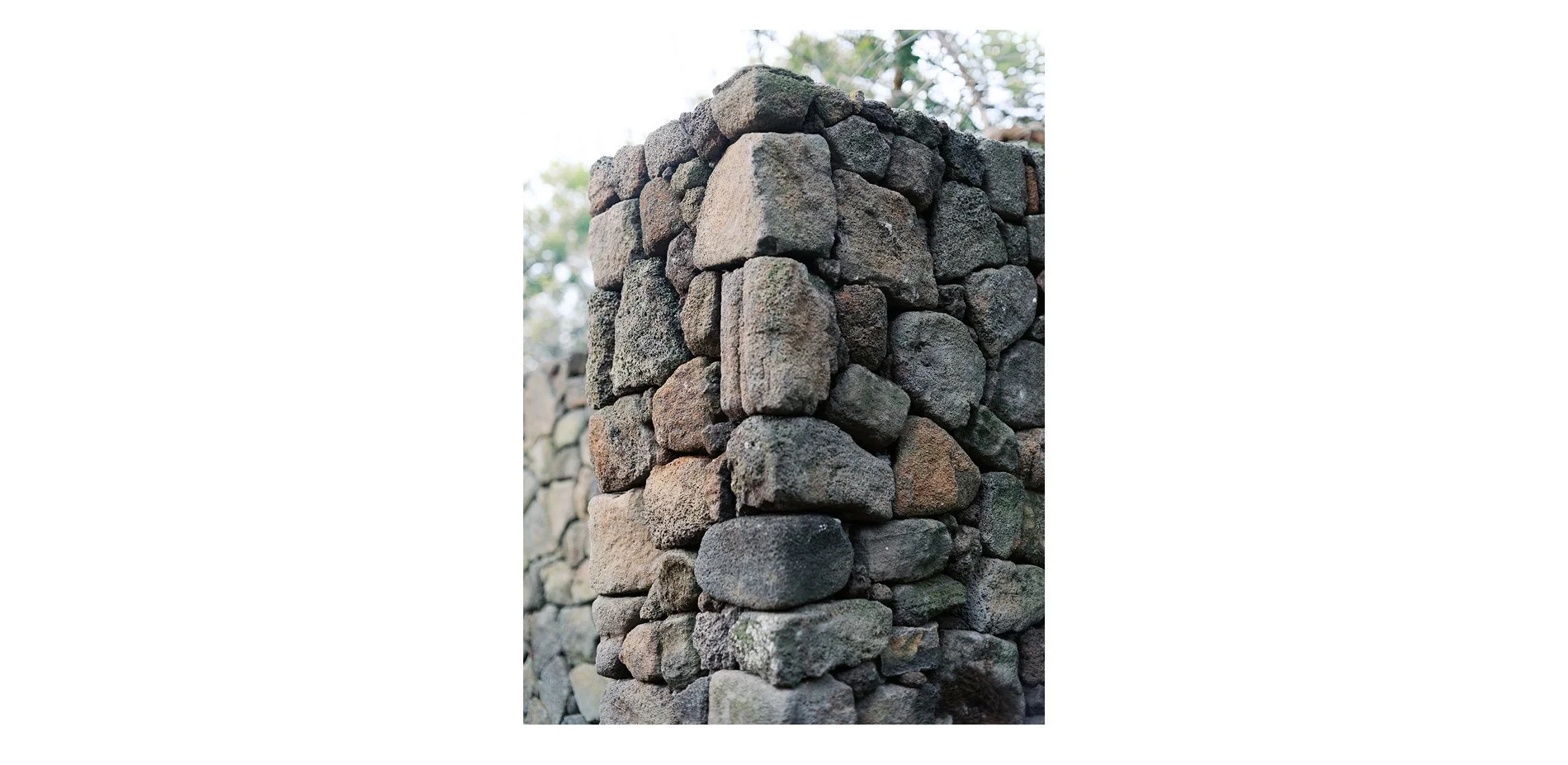
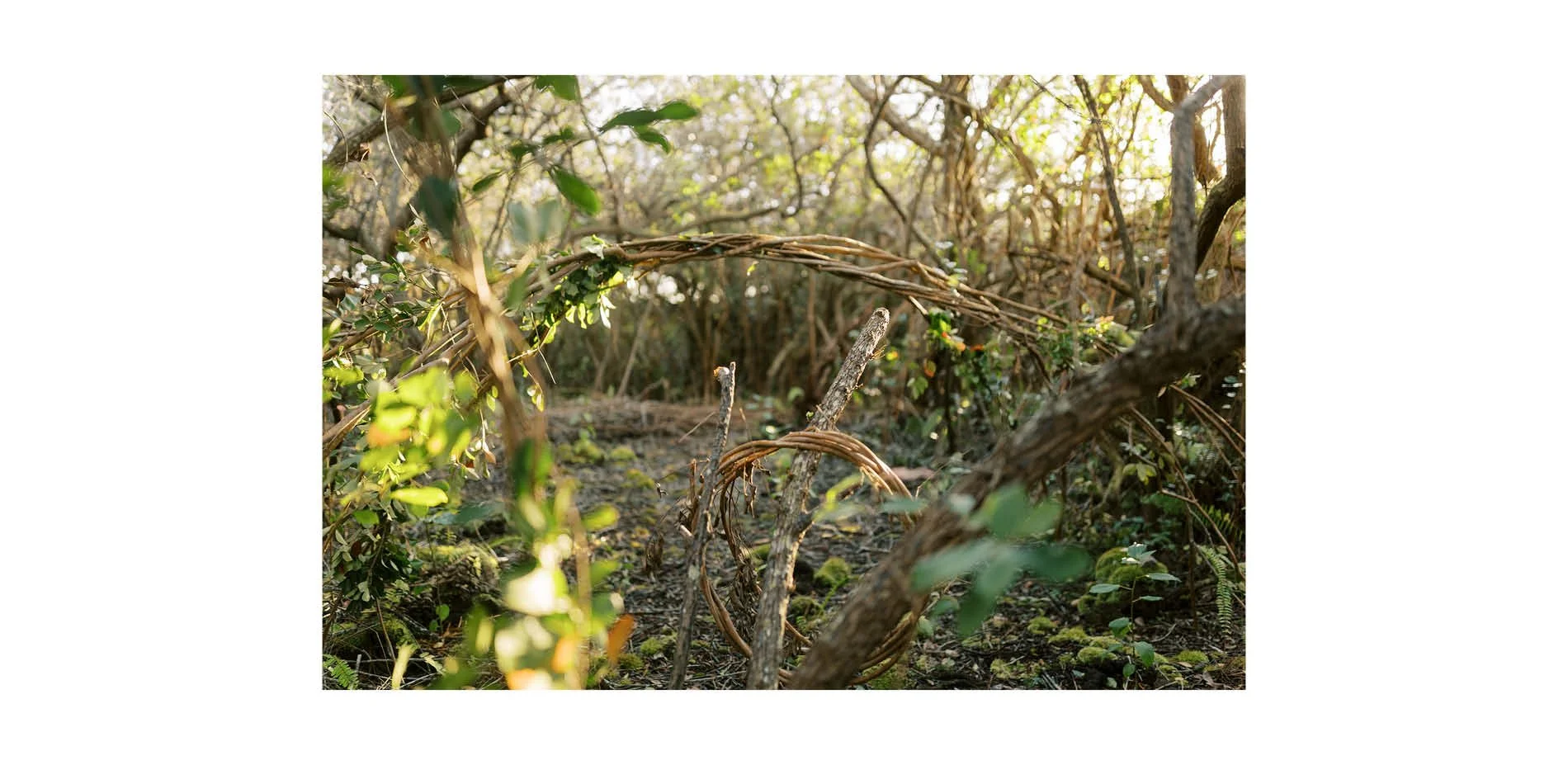
The stonework was designed and constructed in close collaboration with the land itself. Existing old-growth Alaheʻe trees determined the placement of each structure, while invasive Brazilian pepper trees were selectively removed to restore the native dry forest canopy. Excavation for the foundations yielded the very materials used in construction: smooth pāhoehoe selected for exposed faces, rough ʻaʻā reserved for structural fill, and locally sourced sand incorporated into the mortared work. Every decision—from siting to material selection—was guided by the objective of allowing the rockworks to appear as natural extensions of the volcanic landscape rather than imposed architectural elements.
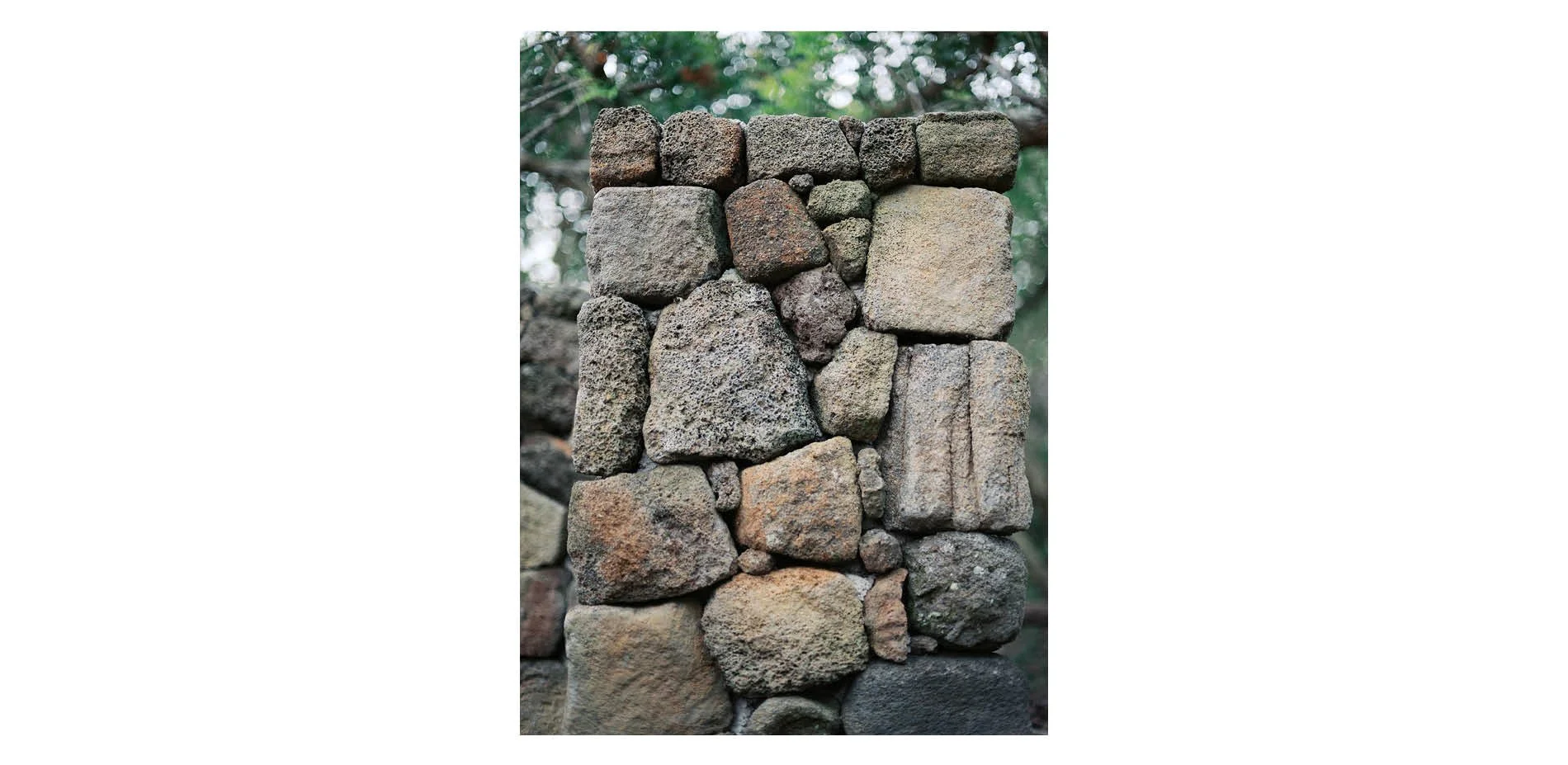
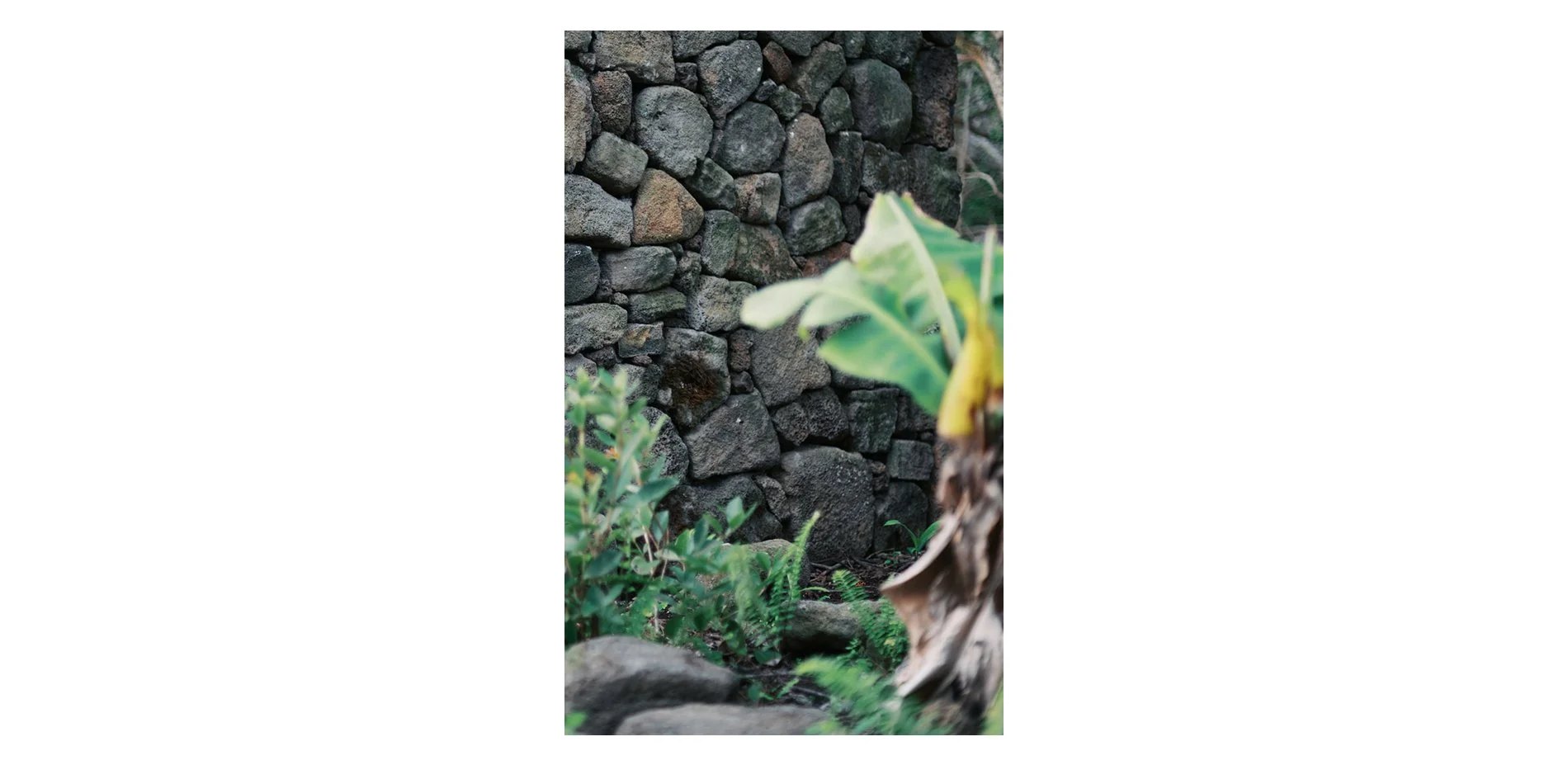
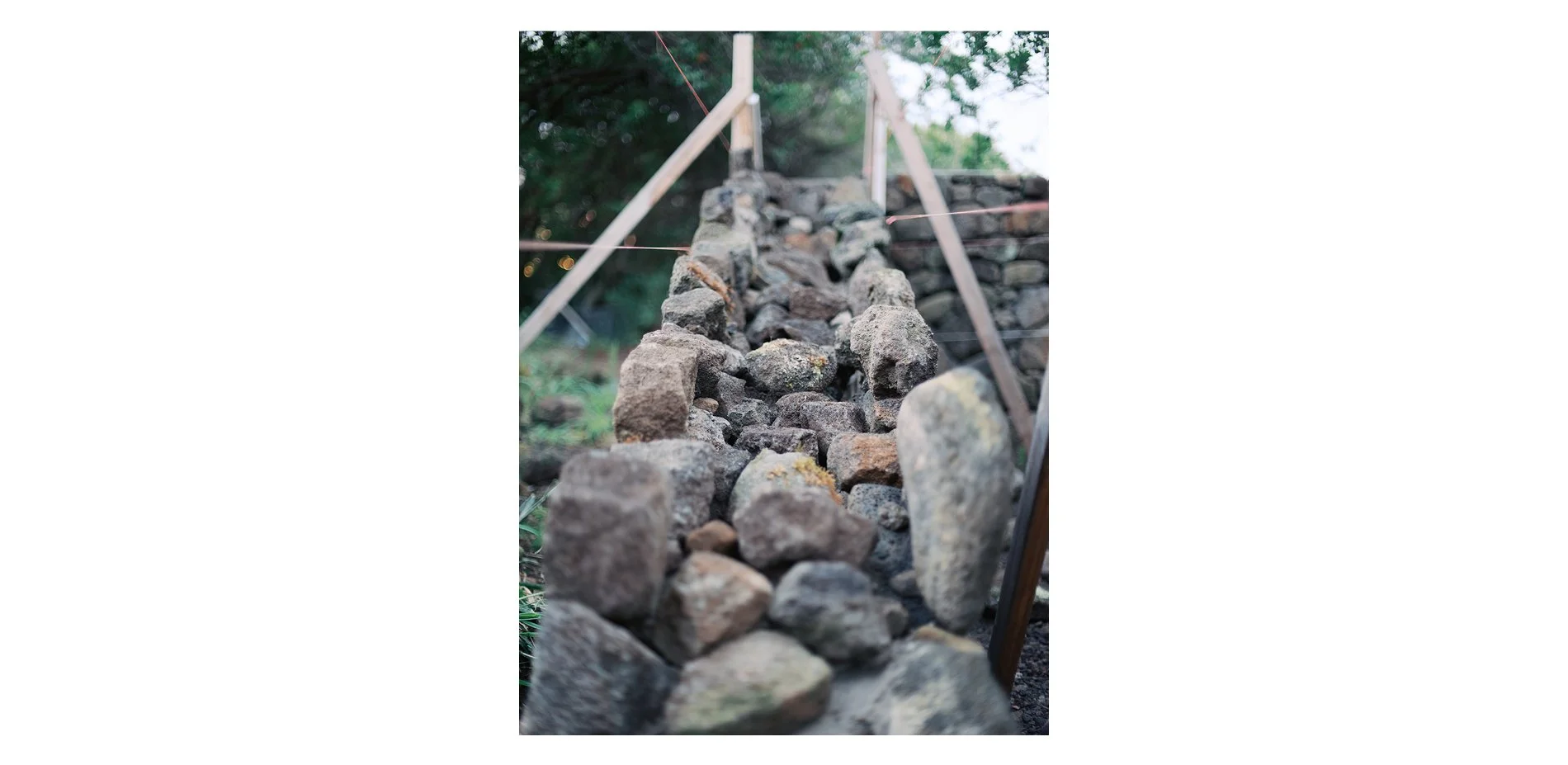
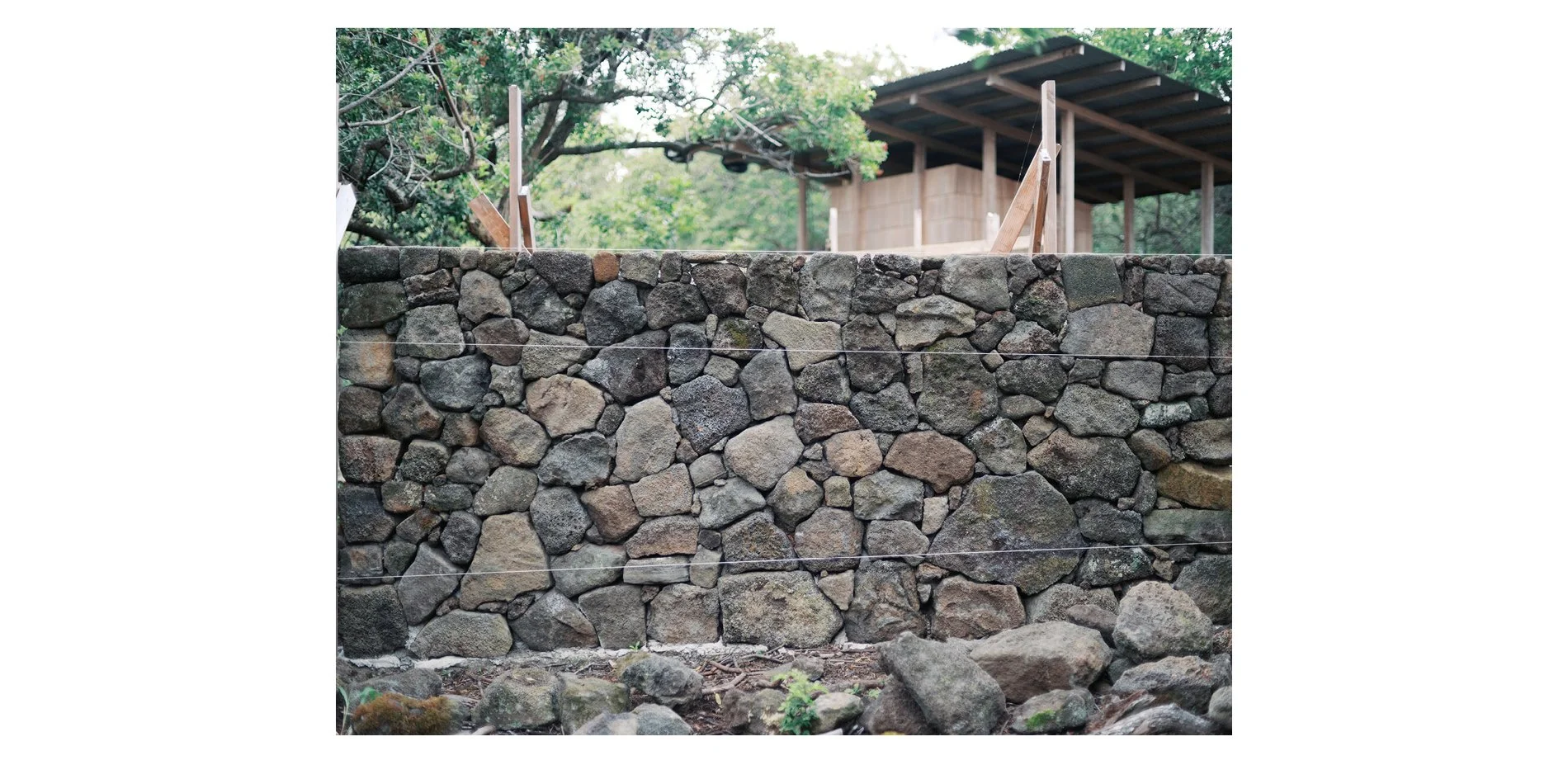
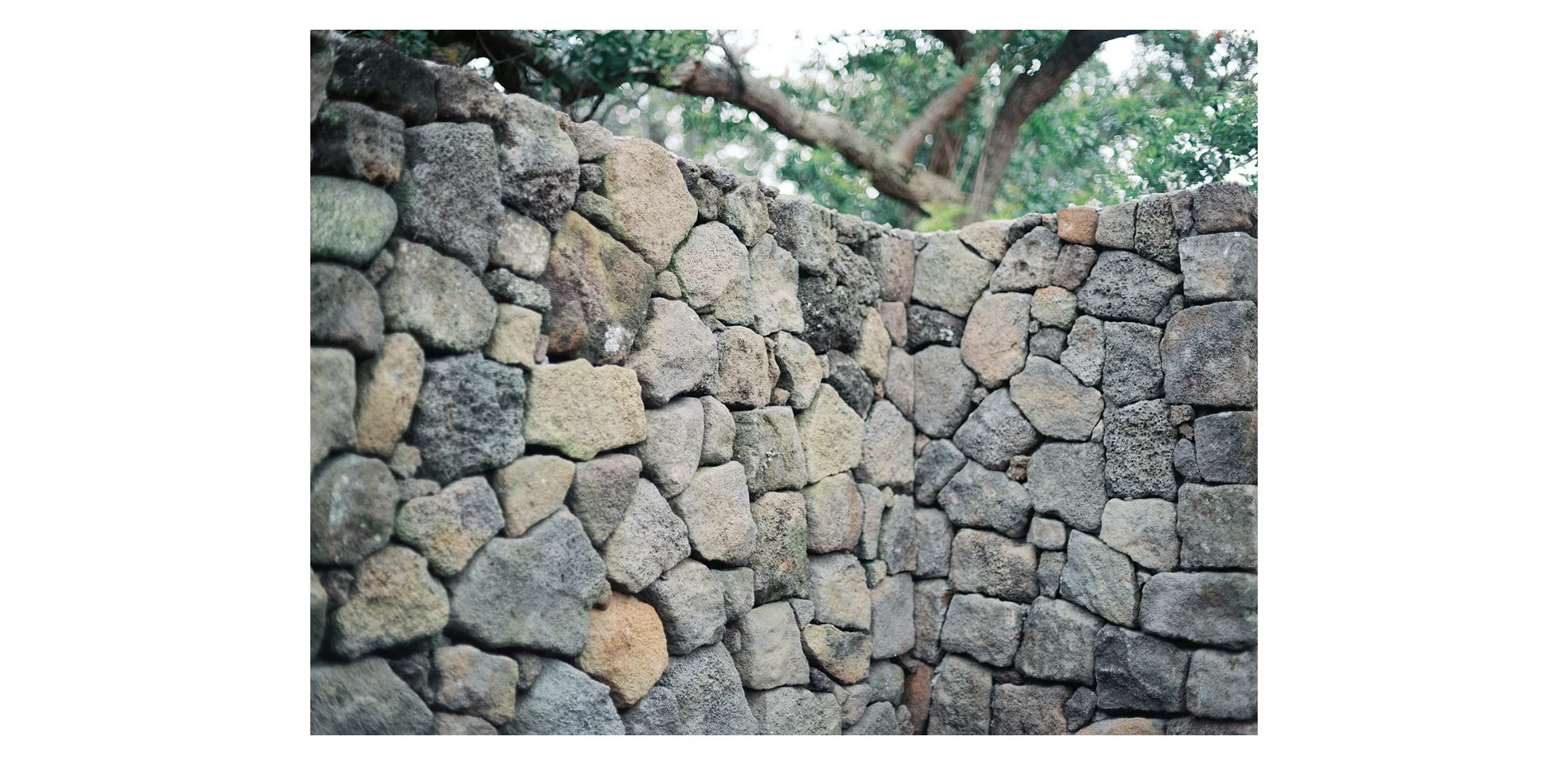
The project was led by the principal landscape designer while apprenticing under an elder master stonemason, drawing upon generations of traditional masonry knowledge while applying contemporary landscape design principles. The photographs reveal meticulous stone selection, carefully balanced proportions, and an intuitive understanding of how volcanic rock can simultaneously convey strength, elegance, and timelessness. Rather than simply constructing walls, the work elevates lava rock into landscape design, where craftsmanship, ecology, and cultural tradition become inseparable.
Beyond their immediate beauty, the rockworks invite an ongoing relationship between people and place. The dry-stack wall, built entirely without mortar, requires attentive stewardship to remove encroaching vegetation and preserve its structural integrity. This continuing act of care transforms maintenance into ritual, fostering an enduring connection between landowner, landscape, and craft. The project exemplifies Hawaiʻi Land & Garden Works' commitment to creating landscapes that are not only visually compelling, but ecologically responsive, culturally grounded, and designed to endure for generations.